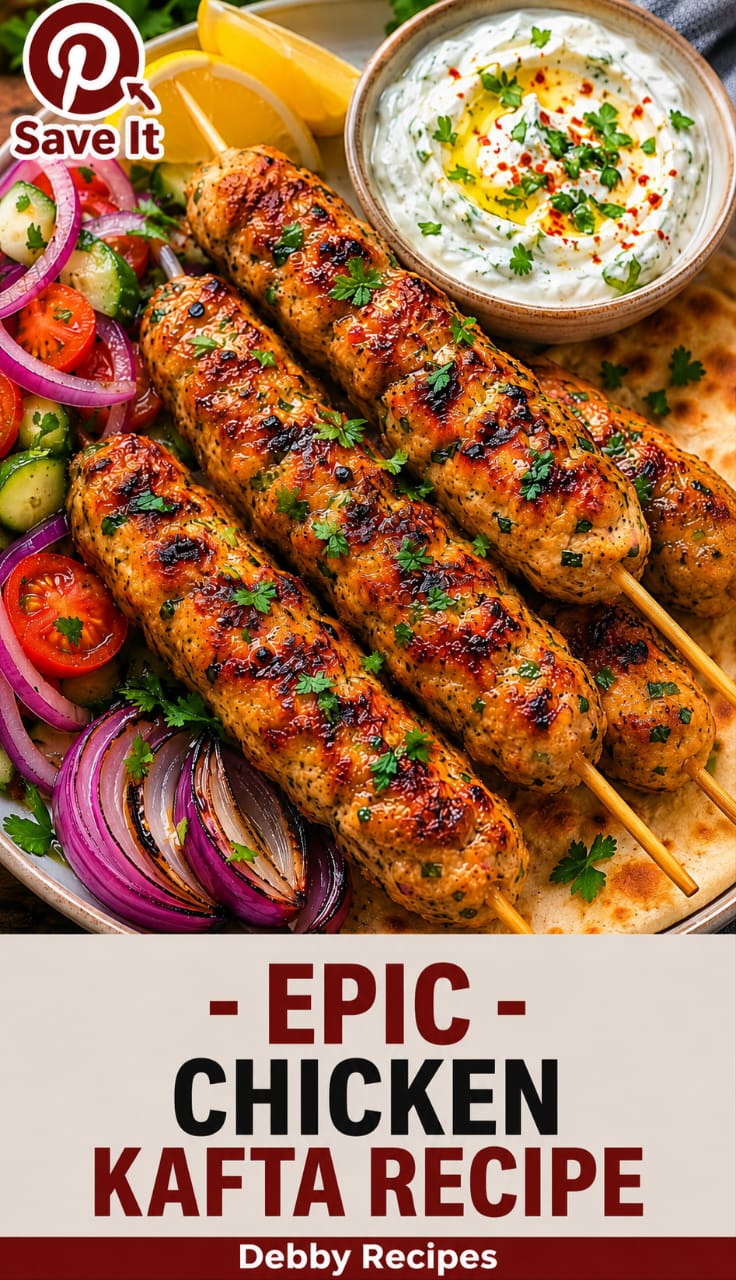
Welcome to another absolutely incredible recipe that is going to transport you straight to the warm, aromatic, deeply flavourful world of Middle Eastern cooking with every single bite. If you have never made kafta before, today is one of the most exciting culinary days of your life because you are about to discover one of the most beloved, most satisfying, and most flavourful ways to cook ground meat that exists anywhere in the world. And if you already know and love kafta, then you know exactly why we are celebrating it today. We are making Epic Chicken Kafta, and this recipe lives up to every single word of its name.
Kafta, also spelled kofta in many regions, is a beloved dish found across the Middle East, Mediterranean, South Asia, and beyond, with each region and each family having their own deeply cherished version. The word itself simply means ground or minced meat mixed with aromatics, herbs, and spices and formed into patties, logs, or balls that are then grilled, baked, or pan-fried into something magnificent. The chicken version is lighter and slightly more delicate than the traditional lamb or beef versions but loses absolutely nothing in terms of flavour, character, or satisfaction. In fact, the chicken version absorbs the vibrant herb and spice blend perhaps even more dramatically than red meat, making it genuinely outstanding in its own right.
In this article you will find the complete ingredient list, a clear step-by-step cooking guide, helpful tips to make it perfectly every single time, storage advice, and answers to the most common questions about this recipe. Let us get right into it.
Epic Chicken Kafta Recipe
What Makes This Recipe So Extraordinary
The extraordinary quality of a great kafta comes entirely from the combination of fresh herbs, aromatic spices, and the careful technique used to bring the meat mixture together. This is not seasoned ground chicken. This is something fundamentally different and dramatically more exciting. The fresh parsley and fresh mint in the mixture add a vibrant, herbaceous brightness that runs through every bite. The onion, grated to a fine pulp, keeps the mixture moist and adds a gentle sweetness. The warming spices, cumin, coriander, cinnamon, allspice, and black pepper, create a complex, layered flavour profile that is distinctively Middle Eastern in the most beautiful way. And the garlic adds that essential pungent depth that ties everything together.
What makes chicken kafta particularly special is the way the white meat takes on all of these flavours so completely and so enthusiastically. The finished kafta is aromatic, juicy, beautifully spiced, slightly charred on the outside from the grill or the pan, and deeply satisfying in a way that feels genuinely nourishing and genuinely celebratory at the same time. Served with warm flatbread, creamy hummus, cool yogurt sauce, fresh salad, and all the traditional accompaniments that turn a simple kafta into a full, generous, deeply satisfying Middle Eastern feast.
Ingredients You Will Need
This recipe makes approximately 16 to 18 individual kafta pieces depending on the size you shape them, which serves 4 to 6 people generously.
For the Chicken Kafta:
- 700 grams or about 1 and a half pounds of ground chicken, ground from thighs rather than breast for the juiciest, most flavourful result
- 1 medium onion, grated on the fine holes of a box grater and the excess liquid squeezed out thoroughly
- 4 garlic cloves, very finely minced or grated
- A very generous handful of fresh flat-leaf parsley, very finely chopped, about half a cup packed
- A small handful of fresh mint leaves, very finely chopped, about 3 tablespoons packed
- 2 teaspoons of ground cumin
- 1 and a half teaspoons of ground coriander
- 1 teaspoon of smoked paprika or sweet paprika
- Half a teaspoon of ground cinnamon
- Half a teaspoon of ground allspice
- Half a teaspoon of ground black pepper
- Quarter of a teaspoon of ground nutmeg
- Quarter of a teaspoon of cayenne pepper, adjusted to your heat preference
- 1 and a half teaspoons of salt
- 2 tablespoons of olive oil for the mixture plus extra for cooking
- 1 tablespoon of breadcrumbs (optional but helps bind the mixture for easier shaping)
For the Garlic Yogurt Sauce:
- 1 cup or about 240 grams of full-fat plain Greek yogurt
- 2 garlic cloves, very finely minced or grated to a paste
- 1 tablespoon of fresh lemon juice
- 1 tablespoon of extra virgin olive oil
- A small handful of fresh mint, very finely chopped
- Half a teaspoon of dried mint
- A pinch of salt
- A pinch of white pepper
For the Simple Kafta Salad:
- 3 medium ripe tomatoes, diced into small pieces
- 1 medium cucumber, diced into small pieces
- Half a red onion, very finely diced
- A generous handful of fresh flat-leaf parsley, roughly chopped
- Juice of one lemon
- 2 tablespoons of extra virgin olive oil
- Salt and black pepper to taste
- A pinch of sumac for a tangy, vibrant finishing touch
For Serving:
- Warm flatbread or pita bread, freshly warmed
- Good quality hummus, store-bought or homemade
- Lemon wedges for squeezing
- Extra fresh parsley and mint for garnishing
- A drizzle of pomegranate molasses for serving (optional but extraordinary)
- Pickled turnips or pickled vegetables on the side for a traditional accompaniment
- Extra olive oil for drizzling
Step-by-Step Cooking Method
Step 1: Make the Chicken Kafta Mixture and Rest It
This first step is the foundation of everything in this recipe and it deserves your full attention and patience because the quality of the kafta mixture directly determines the quality of the finished dish in every way. Place the ground chicken in a large mixing bowl. Add the finely grated onion, making sure you have squeezed out as much excess liquid from the grated onion as possible before adding it. Excess onion liquid in the mixture makes it too wet and loose to shape properly and can cause the kafta to fall apart during cooking. Wrap the grated onion in a clean cloth or a few layers of paper towels and squeeze firmly until most of the liquid has been removed before adding it to the bowl.
Add the minced garlic, finely chopped fresh parsley, finely chopped fresh mint, ground cumin, ground coriander, smoked paprika, ground cinnamon, ground allspice, ground black pepper, ground nutmeg, cayenne pepper, salt, and olive oil to the bowl with the chicken and grated onion. Add the optional breadcrumbs if you are using them. Now mix everything together very thoroughly using your hands for a full two to three minutes. This extended hand mixing is essential and cannot be rushed or replaced by a spoon or spatula. Working the mixture with your hands does several critical things simultaneously. It ensures every single ingredient is evenly and completely distributed through the entire mixture so that every piece of kafta tastes consistent and well-balanced. It develops the proteins in the ground chicken slightly, which gives the mixture more cohesion and makes it significantly easier to shape and more stable during cooking. And it warms the mixture slightly from the heat of your hands, which activates the aromatic oils in the herbs and spices and makes the mixture smell absolutely extraordinary even before it touches any heat.
After thorough mixing, cover the bowl tightly with plastic wrap and refrigerate the mixture for a minimum of thirty minutes. One hour is better. Two hours is better still. This chilling and resting time is one of the most important steps in the entire recipe. It serves two critical purposes. First, the cold temperature firms up the mixture significantly, making it much easier to shape into the logs or patties without the mixture sticking to your hands or losing its shape. Second, and most importantly for flavour, the resting time allows the herbs, spices, and garlic to permeate every molecule of the ground chicken deeply and thoroughly, producing a kafta that is flavoured all the way through rather than just on the surface. Do not skip this resting step.
Step 2: Make the Garlic Yogurt Sauce and the Salad
While the kafta mixture is chilling in the refrigerator, use this time productively to prepare the accompaniments that will transform the chicken kafta from a delicious protein into a complete, beautiful, and deeply satisfying meal.
For the garlic yogurt sauce, combine the Greek yogurt, very finely minced garlic, fresh lemon juice, olive oil, fresh mint, dried mint, salt, and white pepper in a small bowl. Stir everything together until completely smooth and well combined. Taste and adjust the seasoning with more salt, more lemon juice for extra brightness, or more garlic if you want a more pronounced garlic character. The sauce should taste cool, creamy, tangy, garlicky, and fresh with the mint adding a beautiful, aromatic quality that complements the warmly spiced kafta perfectly. Cover and refrigerate until ready to serve.
For the simple kafta salad, combine the diced tomatoes, diced cucumber, finely diced red onion, and roughly chopped parsley in a bowl. Add the fresh lemon juice, olive oil, salt, black pepper, and a pinch of sumac. Toss everything together gently until well combined. Taste and adjust the seasoning. The salad should taste bright, fresh, slightly tangy from the lemon and sumac, and deeply refreshing. The combination of the cool, acidic salad against the warm, richly spiced kafta is one of the great flavour contrasts in Middle Eastern food and it is absolutely essential to the complete experience of this dish. Set the salad aside at room temperature until serving.
Step 3: Shape the Kafta
Remove the chilled kafta mixture from the refrigerator. Prepare a small bowl of cold water to wet your hands before and during the shaping process. Wet hands are the key to shaping kafta cleanly and efficiently because the mixture does not stick to wet hands the way it sticks to dry ones, which means you can shape each piece quickly and smoothly without the frustration of the mixture pulling apart or leaving half of it on your palms.
For the traditional log or finger shape, take a generous tablespoon and a half to two tablespoons of the mixture, roughly 45 to 50 grams, and roll it between your wet palms into a smooth, even cylinder that is about 8 to 10 centimetres long and 3 to 4 centimetres in diameter. If you are using metal or bamboo skewers, press the mixture along the length of a skewer and shape it around the skewer into an elongated, even log that is slightly tapered at each end. Skewer-shaped kafta has a beautiful presentation and the skewer helps the kafta hold its shape on the grill particularly well.
For a flatter, patty shape that cooks more quickly and works beautifully for wrapping in flatbread, shape the mixture into slightly flattened ovals of about the same weight. The flatter shape gives more surface area contact with the grill or pan and produces more of the beautiful caramelised, slightly charred exterior that makes kafta so deeply delicious and so visually appealing.
Place each shaped kafta on a plate or tray lined with baking paper as you work. If the mixture becomes too warm during shaping and starts to feel loose or soft, return the shaped pieces to the refrigerator for ten minutes to firm up again before cooking. Firm, cold kafta holds its shape much better during the first crucial moments of contact with the cooking surface than warm, soft kafta that has become too loose to maintain its form.
Step 4: Cook the Kafta
You have three excellent cooking options for chicken kafta and each produces slightly different but equally delicious results in terms of texture, colour, and flavour.
Grill method (the most traditional and most flavourful): Preheat an outdoor gas or charcoal grill to medium-high heat and oil the grates thoroughly. Place the shaped kafta directly on the hot, oiled grates and cook for four to five minutes on the first side without moving them until they release cleanly from the grate and have developed beautiful, deep grill marks and a slightly charred, caramelised exterior. Turn carefully using tongs and cook for another three to four minutes on the second side. Then turn and cook briefly on any remaining sides for one to two minutes each until the kafta is golden, slightly charred in beautiful patches all the way around, and cooked completely through to an internal temperature of 74 degrees Celsius or 165 degrees Fahrenheit at the centre of the thickest piece.
Grill pan method (for indoor cooking with excellent results): Heat a cast iron grill pan over high heat for four to five minutes until it is completely smoking hot. Brush the grill pan generously with oil. Cook the kafta exactly as described in the grill method above, using the same timings and the same visual cues to determine doneness. The cast iron grill pan produces beautiful grill marks and a very convincing char that comes impressively close to the outdoor grill experience.
Oven baking method (the most hands-off and most consistent): Preheat your oven to 200 degrees Celsius or 400 degrees Fahrenheit. Arrange the shaped kafta in a single layer on a baking tray lined with baking paper. Drizzle or brush each piece with a small amount of olive oil. Bake for 18 to 22 minutes, turning once halfway through the baking time, until the kafta is golden on the outside and completely cooked through. For extra colour and a more caramelised exterior, switch the oven to grill mode for the final three to four minutes and watch closely during this stage.
Regardless of which cooking method you use, allow the cooked kafta to rest on a warm plate for three to four minutes before serving. This brief resting time allows the juices inside the kafta to redistribute so they remain inside the meat when you bite into it rather than flooding out onto the plate.
Step 5: Assemble and Serve the Complete Kafta Feast
This final step is where the entire dish comes together into the full, generous, deeply satisfying Middle Eastern experience that makes chicken kafta such a beloved and celebratory meal. Warm the flatbread or pita in a dry pan for about thirty seconds on each side until it is soft, pliable, and warmed all the way through. Stack the warmed bread in a clean cloth to keep it warm and soft while you finish the assembly.
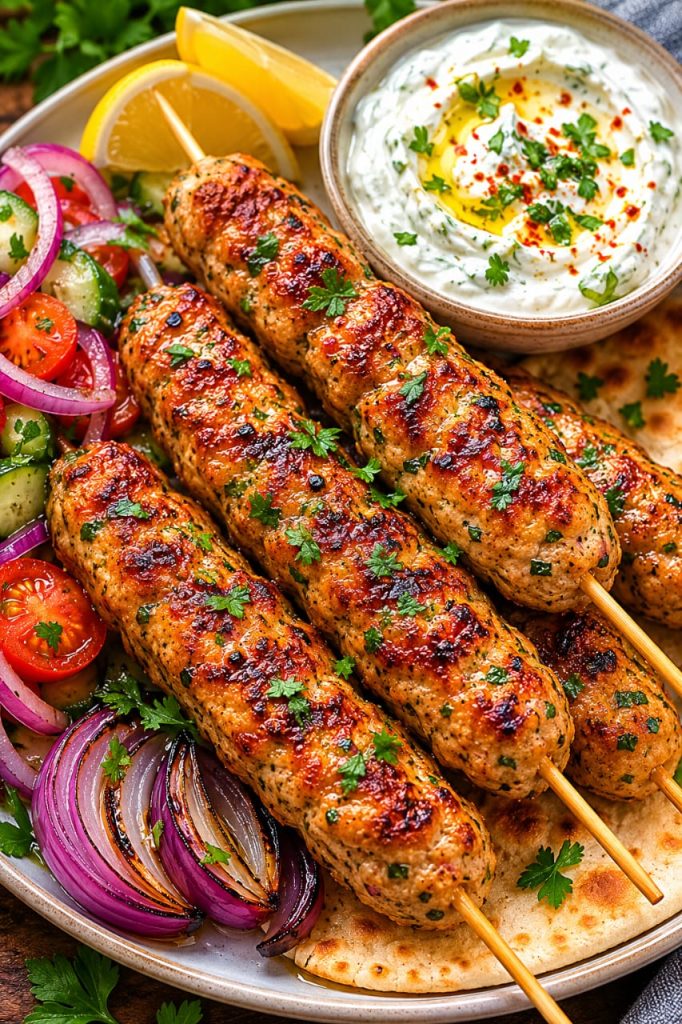
Arrange the cooked kafta pieces on a large, beautiful serving platter. Spoon the garlic yogurt sauce generously around and over the kafta, or serve it in a small bowl alongside. Add the fresh kafta salad either directly on the platter alongside the kafta or in a separate bowl. Place a generous bowl of hummus on the table with a drizzle of olive oil and a sprinkle of paprika over the top. Add the warm flatbread in a basket or wrapped in a cloth. Arrange lemon wedges around the kafta on the platter for squeezing. Add the pickled vegetables if you are using them. Drizzle a light thread of pomegranate molasses over the kafta for a spectacular finishing touch of sweetness and depth.
Garnish the kafta platter with extra fresh parsley, extra fresh mint leaves, a light dusting of sumac, and a final drizzle of good quality extra virgin olive oil. Bring the entire spread to the table at once for the most impressive and most authentic presentation and let everyone build their own wraps, dip generously into the hummus and yogurt sauce, squeeze lemon over everything, and eat with the kind of joyful, communal enthusiasm that this food was made for.
Helpful Tips to Make It Perfect Every Time
Always use ground chicken thigh meat. Ground chicken breast is leaner and lower in fat, which means it produces kafta that is drier, less flavourful, and less juicy than kafta made from ground thigh meat. Chicken thigh meat has enough natural fat to keep the kafta moist and succulent throughout the cooking process and to carry the herbs and spices in a richer, more satisfying way. If you can only find ground chicken breast, add one tablespoon of olive oil and one tablespoon of full-fat Greek yogurt to the mixture to compensate for the reduced fat content and help keep the kafta moist during cooking.
Squeeze every drop of liquid from the grated onion. Excess liquid from the grated onion is the most common cause of a kafta mixture that is too wet and loose to shape properly and that falls apart during cooking. After grating the onion, take the grated pulp in your hands or in a clean cloth and squeeze as firmly as you can for a full thirty seconds to remove as much liquid as possible before adding it to the mixture. The flavour and sweetness of the onion stay in the mixture while the excess water that would cause problems is removed.
Mix the kafta mixture with your hands for the full time specified. Two to three minutes of thorough hand mixing feels like a long time when you are standing at the counter, but this extended mixing develops the proteins in the ground chicken and binds all the ingredients together into a cohesive, well-integrated mixture that holds together properly during shaping and cooking. Undermixed kafta falls apart on the grill or in the pan. Properly mixed kafta holds its shape confidently through the entire cooking process.
Rest the mixture in the refrigerator without skipping. Thirty minutes minimum, one to two hours ideally. The chilling time firms the mixture for easier shaping and allows the flavours to develop and deepen. This is not a step you can shorten without noticing the difference in both the shaping experience and the final flavour of the cooked kafta.
Wet your hands before and during shaping. Dry hands turn kafta shaping into a frustrating, messy experience with the mixture sticking and pulling. Wet hands make it effortless and quick. Keep a small bowl of cold water next to your shaping station and wet your hands before picking up each new piece of the mixture.
Do not overcook the kafta. Ground chicken kafta cooks relatively quickly and overcooking makes it dry and slightly dense rather than juicy and tender. Use a meat thermometer and remove the kafta from the heat as soon as the internal temperature reaches 74 degrees Celsius or 165 degrees Fahrenheit. The difference between perfectly cooked and overcooked kafta is only a minute or two on a hot grill, so pay close attention during the final stages of cooking.
Serve everything together as a complete spread. Chicken kafta is genuinely wonderful on its own, but it reaches its full potential when served as part of a complete spread with all the traditional accompaniments. The contrast between the warm, spiced kafta, the cool yogurt sauce, the bright fresh salad, the creamy hummus, and the warm flatbread creates a combination of flavours and textures that is far more exciting and satisfying than any single component could ever be on its own. Take the time to prepare the full spread and the experience will be exponentially more rewarding.
Storage Tips
Refrigerating cooked kafta: Allow the cooked kafta to cool completely before storing in an airtight container in the refrigerator for up to three days. Reheat gently in a pan over medium heat with a very small splash of water or olive oil, or in an oven preheated to 170 degrees Celsius for about eight to ten minutes until heated through. Avoid microwaving if possible as it can make the kafta slightly rubbery.
Refrigerating the raw mixture: The raw kafta mixture can be stored covered in the refrigerator for up to 24 hours before shaping and cooking. In fact the extended resting time makes the mixture taste even better when it is finally cooked, making this one of the most brilliant make-ahead preparations in this recipe. You can also shape the raw kafta and refrigerate the shaped pieces on a tray covered with plastic wrap for up to 24 hours before cooking.
Freezing raw kafta: Shaped, uncooked kafta freezes beautifully for up to two months. Arrange the shaped pieces in a single layer on a tray and freeze until solid before transferring to a zip-lock freezer bag. Cook directly from frozen by adding four to five extra minutes to the cooking time and checking the internal temperature before serving. Having a batch of raw kafta in the freezer is one of the most valuable meal prep investments you can make for quick, impressive weeknight dinners.
Freezing cooked kafta: Cooked kafta also freezes well for up to two months. Cool completely, wrap individually, and freeze. Thaw overnight in the refrigerator and reheat gently in a pan or oven. The texture is very slightly different from freshly cooked but still very delicious and perfectly satisfying.
What to Serve With Epic Chicken Kafta
A proper kafta feast includes many of these components served together simultaneously:
- Warm pita bread or flatbread for wrapping the kafta with yogurt sauce and salad into deeply satisfying handheld wraps
- Creamy hummus with a generous drizzle of olive oil, a sprinkle of paprika, and a few whole chickpeas for the most classic and most satisfying accompaniment
- The garlic yogurt sauce from this recipe for dipping and drizzling over everything
- The simple kafta salad for freshness and brightness that contrasts beautifully with the warm, spiced kafta
- Pickled turnips, pickled cucumbers, or other pickled vegetables for a tangy, crunchy, acidic contrast that is a traditional and essential part of a Middle Eastern kafta spread
- Tabbouleh for an additional herb-packed, lemony grain salad that complements the kafta flavours beautifully
- Baba ganoush for a smoky, creamy roasted eggplant dip that adds another dimension of flavour to the table
Frequently Asked Questions
Can I use a food processor instead of mixing by hand?
You can use a food processor to create the kafta mixture but you need to be very careful not to over-process the ground chicken. Pulse the ingredients together in short, careful bursts rather than running the processor continuously. Over-processing the chicken turns it into a very fine, almost paste-like consistency that produces kafta with a dense, slightly rubbery texture rather than the pleasantly coarse, textural result that hand mixing produces. If you do use a food processor, pulse in three to four short bursts only and stop as soon as the ingredients are just combined. Hand mixing is always the preferred and most reliable method for the best texture.
Why is my kafta mixture too loose and wet to shape?
A kafta mixture that is too wet and loose to shape is almost always caused by insufficient squeezing of the liquid from the grated onion before it was added to the mixture, or by the mixture being too warm. Add the optional tablespoon of breadcrumbs to help absorb excess moisture if the mixture is genuinely very wet. If the mixture is simply too warm and soft from handling, refrigerate it for an additional twenty to thirty minutes until it firms up sufficiently for shaping. Also make sure you are using ground chicken thigh rather than breast, as breast produces a wetter, less cohesive mixture that is more difficult to work with.
Can I make kafta with a combination of chicken and lamb?
Yes, and this is actually a wonderful variation that combines the lighter, more delicate character of the chicken with the richer, more robust flavour of the lamb in a very satisfying way. A combination of about two thirds chicken to one third lamb produces kafta that has more depth and richness than pure chicken while being lighter than pure lamb. Use the same spice blend and the same method as described in this recipe. The fat content of the lamb also helps keep the mixture moist and makes it easier to shape and handle than pure lean chicken.
Can I bake the kafta instead of grilling it?
Yes, the oven baking method described in Step 4 works very well and is an excellent option when outdoor or indoor grilling is not possible. The oven method produces kafta that is evenly cooked all the way through with a golden exterior, though it lacks the distinctive char marks and smoky caramelisation that the grill or grill pan method achieves. To get closer to the charred exterior of grilled kafta when baking, switch to grill mode for the final three to four minutes of baking time and watch very closely so the exterior caramelises beautifully without burning.
What is the difference between kafta and kofta?
Kafta and kofta refer to the same fundamental dish, which is seasoned ground meat shaped and cooked in various forms. The different spellings reflect different regional transliterations of the same Arabic and Persian word. Kafta is commonly used in Lebanese, Syrian, and broader Levantine cooking. Kofta is used more commonly in Persian, Turkish, Indian, and Pakistani culinary traditions. While all versions share the same basic concept of ground meat mixed with herbs and spices and cooked in various forms, the specific herb and spice blends, the meat used, and the shape and cooking method vary significantly from region to region and family to family, each producing something distinctive and deeply loved in its own cultural context.
Final Thoughts
Epic Chicken Kafta is a recipe that earns its dramatic title completely and without a single word of exaggeration. It is bold in flavour, beautiful in appearance, deeply satisfying in every bite, and genuinely meaningful in terms of the culinary tradition and cultural heritage it represents. This is food that has been feeding and delighting people across the Middle East and Mediterranean for centuries, and there is a reason it has endured and spread and been celebrated so widely for so long. It is simply, profoundly good.
The chicken version presented here takes one of the great ground meat preparations in world cooking and gives it a character that is lighter, brighter, and in some ways even more vividly flavourful than the traditional lamb or beef versions. The herbs and spices shine through the chicken meat with a clarity and vibrancy that is genuinely exciting, and when served with all the traditional accompaniments, the warm bread, the cool yogurt sauce, the fresh salad, the creamy hummus, and the bright pickled vegetables, it creates a complete meal that is simultaneously comforting and celebratory, familiar and exciting, deeply nourishing and deeply delicious.
Whether you are making it for a family dinner where you want to introduce everyone to the extraordinary flavours of Middle Eastern cooking in the most delicious and most accessible possible way, a gathering where you want to serve a spread that looks impressive and tastes even better, a meal prep session where you want something that stores and reheats beautifully throughout the week, or simply because you are craving something warmly spiced, generously herbed, and completely extraordinary for dinner tonight, this Epic Chicken Kafta recipe is going to deliver one of the most rewarding and most deeply satisfying cooking and eating experiences of your entire culinary life. Make it with love, serve it with generosity, and enjoy every beautifully spiced, perfectly charred, deeply satisfying, genuinely epic bite.