Hey gorgeous, welcome to kiekie’s place! Oh, I am so excited about today’s recipe because this one is an absolute classic and honestly one of the most satisfying, most flavourful, most effortlessly easy dinners you can possibly make on a weeknight. If you are someone who loves bold flavours, minimal cleanup, and a meal that looks like you put in way more effort than you actually did, then today’s recipe is going to become one of your absolute favourites very quickly.
Sheet Pan Sausage Peppers and Onions is one of those recipes that has stood the test of time for a very good reason. It is deeply, unapologetically delicious. We are talking about juicy, golden, slightly caramelised sausage links roasted alongside sweet, tender, slightly charred bell peppers and onions that have been seasoned with Italian herbs, garlic, and a generous drizzle of olive oil, all coming together on one single baking sheet in the oven while you go about your evening. The peppers become soft and slightly jammy. The onions caramelise and turn sweet and golden. The sausage develops a gorgeous browned exterior while staying incredibly juicy inside. And everything roasts together, the juices mingling and flavouring each other, into something that is so much greater than the sum of its already wonderful parts.
This is sheet pan cooking at its absolute finest. One pan, minimal prep, virtually no cleanup, and a dinner that is bold, hearty, and deeply satisfying every single time. Whether you serve it over rice, pile it into a toasted hoagie roll for an incredible sandwich, toss it through pasta, or eat it straight from the pan, this recipe is going to make your weeknights infinitely better. Let us get into every single detail.
What Is Sheet Pan Sausage Peppers and Onions?

Sausage, peppers, and onions is a classic Italian-American combination that originated in the street food culture of Italian immigrant communities in cities like New York, Philadelphia, and Chicago. In its most traditional form it was cooked in a large cast iron pan over an outdoor fire or a street food cart, with sausage links cooking alongside piles of colourful peppers and onions until everything was soft, slightly charred, and deeply flavoured.
The sheet pan version takes all the magic of that classic combination and translates it into the home oven, which is honestly the perfect environment for this dish. The high, dry heat of the oven does what a good cast iron pan does on the stovetop — it caramelises the edges of the vegetables, browns and crisps the exterior of the sausage, and allows the juices from all the ingredients to concentrate and mingle on the pan in a way that creates a deeply flavourful, cohesive dish rather than a collection of separately cooked ingredients.
Choosing the Right Sausage
The beauty of the sheet pan method is also in its complete effortlessness. Once everything is on the pan and in the oven, there is almost nothing left for you to do. No stirring pots, no managing multiple burners, no watching things carefully. Just one pan in the oven and a kitchen that fills with the most incredible aroma while you relax, help with homework, set the table, or do whatever else needs doing before dinner.
The sausage is the star of this dish and choosing the right one is the most important ingredient decision you will make.
Italian pork sausage is the most traditional, most classic, and most widely loved choice for this recipe. It comes in two varieties and choosing between them or combining them is the most important flavour decision in the whole dish. Sweet Italian sausage is seasoned with fennel seeds, garlic, and mild herbs, giving it a slightly sweet, aromatic, deeply savoury character that is incredibly versatile and universally appealing. Hot Italian sausage has the same base flavour but with the addition of red pepper flakes, giving the dish a wonderful, building heat that many people love. Using a combination of both sweet and hot is genuinely the ideal approach — you get the best of both worlds, full flavour from the sweet sausage and exciting heat from the hot variety.
Chicken sausage is a leaner, lower-fat alternative that works very well in this recipe if you prefer a lighter option. Italian-style chicken sausage in particular has a very similar flavour profile to pork sausage and pairs beautifully with the peppers and onions.
Smoked sausage or andouille gives the dish a wonderful smokiness that adds a completely different but equally delicious dimension. If you enjoy smoky flavours, this is a wonderful option.
Turkey sausage is another lean option that works well and is a good choice if you are looking for a lower-fat meal.
Whatever sausage you choose, always use links rather than loose sausage meat for this recipe. Whole sausage links roasted on the sheet pan develop a beautifully browned, slightly caramelised exterior while staying juicy and flavourful inside. You can leave them whole for the most dramatic presentation or slice them into rounds before roasting for more surface area and more caramelisation.
The Peppers and Onions
The vegetables in this dish are just as important as the sausage and deserve the same careful attention
The peppers: Using a combination of different coloured bell peppers — red, yellow, orange, and green — creates the most beautiful, vibrant visual result and also the best flavour. Red, yellow, and orange peppers are naturally sweeter than green peppers because they are fully ripe. Green peppers have a slightly more bitter, sharper flavour that adds balance and contrast to the sweetness of the other colours. A mix of all four gives you a gorgeous rainbow of colour and a beautifully balanced flavour profile.
Cut the peppers into strips rather than small dice for this recipe. Strips have more surface area in contact with the hot pan, which means more caramelisation and browning on the edges. They also look much more attractive and are more satisfying to eat.
The onions: Yellow onions are the most classic choice for this dish and for very good reason. They have the ideal balance of sharpness and sweetness and caramelise beautifully in the oven, becoming golden, soft, and deeply sweet. Red onions are another wonderful option — they have a slightly milder, fruitier flavour and turn a beautiful deep purple-brown when roasted. Using a combination of both yellow and red onion is particularly good.
Cut the onions into half-moons rather than rings — half-moons stay together better during roasting and are more practical to eat. Cut them thick enough that they do not burn before they are properly caramelised — about 1 centimetre thick is ideal.
Ingredients You Will Need
For the sausage:
- 6 Italian sausage links (about 600 to 700 grams total — use a combination of sweet and hot for the best flavour, or all sweet if you prefer milder)
- 1 tablespoon of olive oil (for drizzling over the sausage)
For the peppers and onions:
- 1 large red bell pepper (sliced into strips about 1 centimetre wide)
- 1 large yellow bell pepper (sliced into strips)
- 1 large orange bell pepper (sliced into strips)
- 1 large green bell pepper (sliced into strips)
- 2 large yellow onions (sliced into half-moons about 1 centimetre thick)
- 1 medium red onion (sliced into half-moons)
- 6 cloves of garlic (thinly sliced — not minced, sliced, so they roast rather than burn)
- 3 tablespoons of extra virgin olive oil
- 1 teaspoon of dried Italian seasoning
- 1 teaspoon of dried oregano
- Half a teaspoon of dried basil
- Half a teaspoon of smoked paprika
- Half a teaspoon of garlic powder
- Quarter of a teaspoon of red pepper flakes (adjust based on heat preference)
- Salt and black pepper to taste
Optional additions for extra flavour:
- 1 cup of cherry tomatoes (left whole — they burst beautifully in the oven and add incredible juiciness)
- 1 tablespoon of balsamic vinegar (drizzled over the vegetables before roasting — adds wonderful depth)
- 1 tablespoon of tomato paste (mixed with the olive oil and seasoning)
For serving:
- Fresh flat-leaf parsley or fresh basil (chopped generously)
- Freshly grated Parmesan or Pecorino Romano cheese
- Red pepper flakes for extra heat
- A drizzle of good quality extra virgin olive oil
For serving as sandwiches:
- 6 hoagie rolls or sub rolls (toasted)
- Sliced provolone or mozzarella cheese
- Extra Italian seasoning and olive oil
Step-by-Step Cooking Method
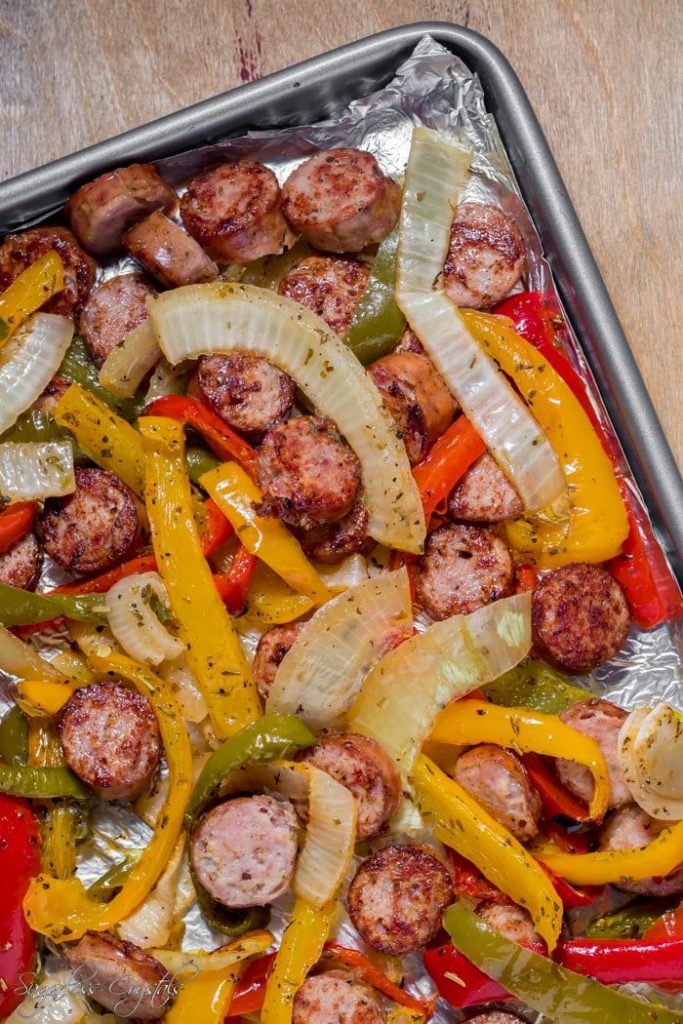
Step 1 — Preheat the Oven and Prepare the Pan
Preheat your oven to 220 degrees Celsius. This high temperature is essential for the best results. The high heat is what creates the caramelisation and slight charring on the vegetables and the beautifully browned exterior on the sausage. A lower temperature will just cook everything without developing those gorgeous caramelised flavours and textures that make this dish so irresistible.
Use the largest baking sheet you have — ideally a large rimmed sheet pan that measures about 45 by 30 centimetres. Line it with aluminium foil or parchment paper for easy cleanup. If you are using aluminium foil, lightly grease it with a drizzle of olive oil to prevent sticking.
If you have two large baking sheets available, consider using both. As I have discussed in previous sheet pan recipes, crowding the pan is the single biggest mistake you can make in sheet pan cooking. Crowded vegetables steam in their own moisture rather than roasting and caramelising in the dry heat. If the pan is crowded, use two pans rather than compromising on the quality of the final result.
Step 2 — Season the Vegetables
Place all the sliced bell peppers, yellow onion half-moons, red onion half-moons, and sliced garlic in a very large mixing bowl. Drizzle the olive oil over everything. Add the Italian seasoning, dried oregano, dried basil, smoked paprika, garlic powder, red pepper flakes, salt, and black pepper. If you are using balsamic vinegar or tomato paste, add them now.
Toss everything together very thoroughly using your hands or two large spoons. Every piece of pepper and every piece of onion should be evenly coated in the oil and seasoning. Do not rush this step — properly coated vegetables season and caramelise much more evenly than vegetables that have been poorly tossed with the seasoning. Get your hands in there and make sure everything is well coated.
Taste a piece of the seasoned pepper — it should taste well-seasoned, fragrant, and bold. If it seems like it needs more salt or more herbs, add more now before everything goes on the pan.
Step 3 — Arrange Everything on the Pan
Pour the seasoned vegetables onto the prepared baking sheet. Spread them out into an even, relatively flat layer. The vegetables need space — do not pile them up in thick, overlapping mounds. They should be spread out so that as many pieces as possible have direct contact with the hot pan surface.
Now nest the sausage links among the vegetables. Push them slightly into the vegetable mixture so they are surrounded by peppers and onions on all sides rather than sitting on top. This allows the sausage to absorb some of the vegetable juices as they cook and allows the vegetables nearest to the sausage to benefit from the rendered sausage fat and juices.
Drizzle a small amount of olive oil over the sausage links. If you are using cherry tomatoes, scatter them over the pan now, tucking them in among the peppers and onions.
Step 4 — Roast the First Stage
Place the sheet pan in the preheated oven and roast for 20 minutes without disturbing anything. This first, undisturbed roasting period allows the vegetables and sausage to begin caramelising properly. If you stir or move things too early, you interrupt the caramelisation process and the vegetables steam instead of roast.
After 20 minutes, remove the pan from the oven. The vegetables should be starting to soften and there should be some golden colour developing on the edges of the onions and peppers. Use tongs to carefully turn the sausage links over so the other side can brown, and use a spatula to gently toss and redistribute the vegetables, bringing the ones from the outside edges towards the centre and vice versa.
Return the pan to the oven.
Step 5 — Roast the Second Stage
Roast for another 15 to 20 minutes until the sausage is deeply golden brown all over with a slightly caramelised, slightly crispy exterior, the peppers are tender and slightly charred at the edges, and the onions are soft, golden, and beautifully caramelised.
The total roasting time is 35 to 40 minutes. The exact time may vary slightly depending on the size of your sausages and the specific temperature of your oven. The key visual cues to look for are — sausage that is deeply golden all over with no grey, pale areas remaining, peppers that are soft when pressed and have some charred edges, and onions that are golden brown and slightly jammy looking.
If after 40 minutes you want even more colour and caramelisation on the vegetables and sausage, switch the oven to the broil or grill setting for the final 2 to 3 minutes. Watch very closely during this time as things can go from beautifully golden to burnt very quickly under the broiler.
Step 6 — Rest and Serve
Remove the sheet pan from the oven and let everything rest for about 3 to 5 minutes. This brief resting time allows the juices inside the sausage to redistribute so that when you cut into it, the juices stay inside rather than running out onto the pan.
Scatter freshly chopped parsley or torn fresh basil leaves generously over everything on the pan. If you are serving with Parmesan or Pecorino, grate it generously over the top. Drizzle a final small amount of your best extra virgin olive oil over everything for a beautiful, glossy finish.
Serve directly from the pan — there is something wonderfully rustic and casual about bringing the whole pan to the table and letting people serve themselves.
Helpful Cooking Tips for the Best Results
Do not crowd the pan under any circumstances. This is the most critical tip for any sheet pan meal and it bears repeating every single time. Crowded vegetables trap steam and prevent caramelisation. You want golden, slightly charred edges on everything — not pale, soft, steamed vegetables. If your pan looks crowded, use two pans.
Cut the vegetables into similar sized pieces. Uniform sizing ensures everything cooks at the same rate. Thick pieces of onion next to thin slivers of pepper means one will be overcooked before the other is done. Aim for consistency — all strips about the same width, all onion half-moons about the same thickness.
Score the sausage links before roasting. Use a sharp knife to make 3 to 4 shallow diagonal cuts on each sausage link before placing them on the pan. These scores allow heat to penetrate more efficiently, help the sausage cook more evenly, give you more caramelised surface area from the scored edges, and prevent the sausage from bursting unevenly during roasting.
Use a combination of sweet and hot sausage. If you are choosing between all sweet or all hot Italian sausage, the combination is genuinely the best choice. The sweet sausage provides full, rounded flavour and the hot sausage provides heat and excitement. Three of each type on the pan gives everyone the option to choose based on their preference.
Add garlic as slices rather than minced. Minced garlic would burn in the 40 minutes of high-heat roasting and leave a bitter taste. Sliced garlic — thin rounds of about 2 millimetres — roasts beautifully, becoming slightly golden and crispy and deeply flavourful without burning. Scatter the sliced garlic over the vegetables and it will roast down beautifully among them.
Add cherry tomatoes for extra juiciness. Cherry tomatoes on the sheet pan are a wonderful addition that is not traditional but is genuinely excellent. They burst during roasting, releasing their juices over the vegetables and sausage, adding a bright, fresh tomato flavour and a wonderful juiciness to the dish. Add them in the last 20 minutes of roasting so they do not completely collapse before serving.
Finish with a drizzle of balsamic glaze after roasting. A thin drizzle of balsamic glaze — not raw balsamic vinegar but the thick, sweet, reduced kind — over the finished dish right before serving adds a wonderful sweet-tangy dimension that elevates the whole thing significantly.
Let the sausage rest before cutting. Just like any cooked meat, sausage benefits from a few minutes of resting after coming out of the oven. Cutting into it immediately lets all the juices run out onto the pan. A 3 to 5 minute rest redistributes the juices and keeps every bite juicy and flavourful.
Common Mistakes to Avoid
Using only one colour of bell pepper. Using only green peppers or only red peppers gives you a less interesting, less balanced, and less visually beautiful result. Different coloured bell peppers have different levels of sweetness and slightly different flavour profiles. The combination is always better than any single colour alone.
Roasting at too low a temperature. Sheet pan sausage peppers and onions needs high heat to develop the caramelisation and slight char that makes it so irresistible. Roasting at 180 degrees Celsius or lower just dries everything out without developing the golden, caramelised character you are looking for. Use at least 200 degrees Celsius and ideally 220 degrees.
Not turning the sausage during roasting. Sausage that is not turned during roasting will only brown on the bottom and remain pale and slightly soft on top. Turning once at the halfway mark ensures you get golden, caramelised colour on all sides.
Over-seasoning with salt before roasting. Salt draws moisture out of vegetables and too much salt added before roasting can cause the peppers and onions to release a lot of liquid on the pan, which causes steaming rather than roasting. Season with a moderate amount before roasting and add more salt to taste after the dish comes out of the oven.
Using thin, delicate vegetables that overcook. Peppers and onions are perfectly suited to the roasting time required for the sausage. If you add more delicate vegetables like cherry tomatoes or spinach at the beginning, they will be completely overcooked by the time the sausage is done. Add faster-cooking vegetables in the last 15 to 20 minutes.
Not using enough olive oil. Olive oil is what helps the vegetables roast rather than steam and what helps the caramelisation process happen properly. A generous drizzle of olive oil over well-seasoned vegetables is essential for the best result. Do not try to reduce the oil significantly as it plays an important functional role in the cooking process.
Ways to Serve Sheet Pan Sausage Peppers and Onions
As an Italian sausage sandwich: This is perhaps the most beloved and most classic way to enjoy this dish. Toast a hoagie roll or sub roll — either in the oven for the last 5 minutes of cooking or under a broiler — and pile it generously with sausage, peppers, and onions. Add a slice of provolone cheese on top of the hot filling and let it melt. Drizzle with extra Italian seasoning and a little olive oil. This is genuinely one of the greatest sandwiches that exists.
Over pasta: Slice the roasted sausage into rounds and toss everything through freshly cooked penne or rigatoni. Add a splash of the pasta cooking water and a drizzle of olive oil to create a light sauce from the pan juices. This is an incredibly satisfying pasta dinner that comes together in minutes.
Over rice or polenta: Serve the sausage, peppers, and onions over a bowl of fluffy white rice or creamy soft polenta. The juices from the roasted vegetables and sausage act as a sauce that soaks into the rice or polenta beautifully.
As a pizza topping: Slice the leftover sausage into rounds and use the roasted peppers and onions as a topping for homemade or store-bought pizza. The already-cooked, deeply flavoured toppings make for an extraordinary pizza.
With crusty bread: Simply serve with a lot of good crusty Italian bread for mopping up all the incredible pan juices. A simple salad alongside and this is a complete, very satisfying meal.
In a breakfast hash: Dice the leftover sausage and vegetables and cook them in a pan with diced potatoes and a little butter until everything is golden and crispy. Serve with fried or scrambled eggs on top. This is one of the best breakfasts imaginable.
As a party platter: Serve it in a large serving dish with toothpicks for the sausage pieces and small skewers for the vegetables alongside crusty bread and a bowl of marinara sauce for dipping. This is a wonderful casual party food that everyone loves.
How to Store Leftovers
In the fridge: Let everything cool completely before transferring to an airtight container. Store in the refrigerator for up to 4 days. To reheat, spread the sausage, peppers, and onions back on a baking sheet and warm in the oven at 180 degrees Celsius for about 10 to 12 minutes. This brings back some of the caramelised quality and crispiness rather than making everything soft and soggy the way the microwave does. If you are in a rush, the microwave works perfectly well for reheating — cover the container and heat in 1-minute intervals stirring in between.
In the freezer: This dish freezes well for up to 2 months. Cool completely, portion into freezer-safe containers or bags, and freeze. Thaw overnight in the fridge before reheating in the oven. The sausage and onions freeze particularly well. The peppers can become slightly softer after freezing and thawing but still taste wonderful.
Meal prep: This recipe is excellent for meal prepping. Make a large batch on Sunday and use the components throughout the week in sandwiches, pasta, rice bowls, and pizza. The flavours actually deepen after a day in the fridge as everything continues to meld together.
Variations You Can Try
Add potatoes: Add diced baby potatoes or regular potatoes cut into small cubes to the pan with the peppers and onions. Toss them in the same seasoning and olive oil. The potatoes take about the same time as the other vegetables to cook and become beautifully golden and crispy. This turns the dish into an even more substantial, very hearty one-pan meal.
Add mushrooms: Thick-sliced portobello or cremini mushrooms added to the pan in the last 20 minutes of roasting add an earthy, meaty dimension that is wonderful with the sausage and peppers.
Add zucchini: Thick slices of zucchini added in the last 20 minutes roast beautifully and complement the Italian flavours of the dish very naturally.
Make it spicier: Use all hot Italian sausage, double the red pepper flakes in the vegetable seasoning, add a tablespoon of calabrian chilli paste to the olive oil before tossing the vegetables, and serve with extra chilli flakes on the table.
Add sun-dried tomatoes: Scatter a handful of sun-dried tomatoes over the pan in the last 15 minutes of roasting. They add a concentrated, sweet-tangy depth that is absolutely wonderful.
Cajun style: Replace the Italian seasoning with a Cajun seasoning blend, use andouille sausage instead of Italian sausage, and add sliced celery to the vegetable mix. This gives the whole dish a completely different but equally exciting flavour profile.
Frequently Asked Questions
Can I use pre-cooked sausage for this recipe?
Yes, pre-cooked smoked sausage links — like kielbasa or smoked turkey sausage — work very well in this recipe and actually reduce the cooking time slightly since you only need to heat them through and brown the exterior. With pre-cooked sausage, the vegetables may need slightly more time than the sausage, so you can add the sausage to the pan about 15 minutes into the roasting time after the vegetables have had a head start. Pre-cooked sausage browns and caramelises beautifully and produces a wonderful result.
How do I know when the sausage is fully cooked?
If using raw Italian sausage, the safest way to know it is cooked through is to use a meat thermometer. The internal temperature should reach 71 degrees Celsius for fully cooked pork sausage. Visually, a fully cooked sausage link will be firm when pressed, no longer pink in the centre when you cut into it, and have a deeply golden, slightly caramelised exterior. The juices should run clear when pierced. If in doubt, use the thermometer — it removes all guesswork and takes the worry out of cooking sausage.
Can I make this recipe on the stovetop instead of the oven?
Yes, you can make a stovetop version of this dish in a very large cast iron skillet or a wide, deep frying pan. Cook the sausage links in the pan over medium-high heat, turning regularly, until browned on all sides and cooked through. Remove and set aside. Add the peppers and onions to the pan with the olive oil and seasonings and cook over medium-high heat, stirring occasionally, for about 15 to 20 minutes until tender and caramelised. Return the sausage to the pan and cook everything together for a few more minutes. The stovetop version gives excellent results but requires more active attention than the oven method.
My vegetables released a lot of liquid on the pan and are steaming rather than roasting. What went wrong?
This is almost always caused by one of three things — the pan was overcrowded, the oven temperature was too low, or the vegetables were wet when they went onto the pan. Make sure your pan is large enough to hold everything in a relatively flat layer with some space between pieces. Make sure your oven is fully preheated to 220 degrees Celsius before the pan goes in. Make sure your vegetables are dry — if you washed them before cutting, pat them dry with a paper towel before seasoning. If the liquid is already in the pan, increase the oven temperature and leave the pan in for longer, which will help the liquid evaporate and the caramelisation to begin.
What is the best way to slice the peppers and onions for even cooking?
For bell peppers, remove the top and bottom, stand the pepper upright, and cut off each side panel from around the core, giving you four flat pieces. Slice each panel into strips of about 1 centimetre width. This method gives you clean, even strips with no seeds and minimal waste. For onions, cut off the top and root end, peel the skin, and cut the onion in half from top to bottom. Place each half cut-side down and slice across the onion into half-moons of about 1 centimetre thickness. This gives you even, consistent pieces that hold together during roasting and caramelise beautifully.
Final Thoughts
Sheet Pan Sausage Peppers and Onions is one of those recipes that earns its place in your permanent cooking rotation from the very first time you make it. It is deeply satisfying in a way that very few dishes manage to be — the combination of juicy, golden sausage, sweet caramelised peppers, and soft, deeply flavoured onions all roasted together in a hot oven until everything is golden and slightly charred and deeply, completely delicious is something that speaks to something fundamental about what we love in food.
What makes this dish so wonderful is its complete honesty. There are no complicated techniques, no hard-to-find ingredients, no elaborate processes. Just good quality sausage and fresh vegetables, generously seasoned, given high heat and time in the oven, and served with nothing more than fresh herbs, good olive oil, and something to pile them onto. The simplicity is the point and the result is extraordinary because of how well the simplicity is executed.
The sheet pan method makes this one of the most practical weeknight dinners imaginable — 10 minutes of prep, 40 minutes in the oven, one pan to wash, and a dinner that is genuinely impressive enough to serve to guests while being easy enough to make on a Tuesday when you are tired and just need something good on the table. Serve it as a sandwich, over pasta, over rice, or straight from the pan with good bread — however you serve it, it is going to be absolutely, completely, deeply wonderful. Happy cooking!