Oh, welcome back to the blog, friend! Today I am bringing you something that is bold, flavourful, filling, and the kind of meal that makes you go back for a second scoop before you even finish the first one. If you have never made dirty rice before, you are seriously in for a treat. And if you have made it before, then you already know exactly what I am talking about — that deep, rich, savoury flavour that makes plain rice feel like it was never even an option.
Dirty rice with ground beef is a classic Southern American dish that has been feeding families for generations. It gets its name from the way the rice looks after everything is mixed together — the seasonings, the browned meat, and all those aromatics give the rice a deep brown, “dirty” colour that is nothing short of beautiful. And the taste? It matches the look perfectly. Every grain of rice is packed with flavour, every bite is satisfying, and the whole dish comes together in one pot in under an hour.
This is the kind of recipe that works on any day of the week, for any occasion. It is budget-friendly, filling, easy to make, and absolutely delicious. Whether you are cooking for one, feeding a family of six, or meal prepping for the week ahead, this recipe has you covered completely.
So let us get into it. Here is everything you need to know about making the best dirty rice with ground beef from scratch.
What Is Dirty Rice With Ground Beef?
Dirty rice is a traditional Creole dish that originated in Louisiana, in the southern part of the United States. The original version of this dish was made with chicken livers and giblets mixed into seasoned rice, which is what gave it that dark, “dirty” appearance. Over the years, the recipe has evolved and today it is commonly made with ground beef, ground pork, or a combination of both — making it much more accessible and appealing to a wider range of people.
When you use ground beef as the main protein, the dish becomes heartier, more familiar in flavour, and incredibly easy to prepare. The ground beef gets browned and cooked down with onions, celery, bell pepper, and garlic — a combination known in Creole cooking as the “holy trinity” — and then mixed with rice that has been cooked in a well-seasoned broth. The result is a dish where every single grain of rice is infused with the flavour of the meat, the vegetables, and the spices, creating something that is far greater than the sum of its parts.
It is a one-pot wonder, a comfort food classic, and one of the most satisfying rice dishes you will ever eat.
Ingredients You Will Need
Everything on this list is easy to find and very affordable. This is simple, everyday cooking at its finest.
For the rice:
- 2 cups of long grain white rice (rinsed well under cold water)
- 3 and a half cups of chicken broth or beef broth (low sodium)
- 1 tablespoon butter
For the meat and sauce:
- 500 grams of ground beef (regular or lean — both work well)
- 1 medium onion (finely diced)
- 1 green bell pepper (finely diced)
- 3 stalks of celery (finely diced)
- 4 cloves of garlic (minced)
- 2 tablespoons of tomato paste
- 1 tablespoon of Worcestershire sauce
- 1 tablespoon of olive oil or vegetable oil
- 1 teaspoon of smoked paprika
- 1 teaspoon of dried thyme
- 1 teaspoon of dried oregano
- 1 teaspoon of onion powder
- 1 teaspoon of garlic powder
- Half a teaspoon of cayenne pepper (adjust to your heat preference)
- Half a teaspoon of black pepper
- Salt to taste
- 2 bay leaves
Optional add-ins and garnish:
- Half a cup of chicken livers (finely chopped, for a more traditional flavour)
- 3 green onions (sliced, for garnish)
- Fresh parsley (chopped, for garnish)
- A few dashes of hot sauce for serving
Step-by-Step Cooking Method
Step 1 — Rinse and Prepare the Rice
Start by rinsing your white rice thoroughly under cold running water. Put the rice in a bowl, cover it with cold water, swirl it around with your hand, then pour off the cloudy water. Repeat this 2 to 3 times until the water runs mostly clear. Rinsing removes excess starch from the surface of the rice, which helps it cook up fluffy and separate rather than sticky and clumped together. Set the rinsed rice aside while you prepare everything else.
Step 2 — Brown the Ground Beef
Place a large, deep skillet or a wide, heavy-bottomed pot over medium-high heat. You do not need to add oil just yet because ground beef releases its own fat as it cooks. Add the ground beef to the dry, hot pan and break it apart with a wooden spoon or a spatula. Spread it out into an even layer and let it cook without stirring for about 2 to 3 minutes so it can develop a nice brown crust on the bottom.
Once the bottom is browned, start breaking it up into smaller crumbles and stir it around. Continue cooking until the beef is browned all the way through with no pink remaining. This should take about 6 to 8 minutes total. Season the beef with a little salt and pepper while it cooks.
Once the beef is fully browned, use a spoon to drain off some of the excess fat from the pan, leaving about 1 tablespoon behind. This remaining fat carries a lot of flavour and you want to keep it in the pan to cook the vegetables.
Step 3 — Cook the Holy Trinity
This is one of the most important steps in the whole recipe. The holy trinity of Creole cooking — onion, bell pepper, and celery — is what gives dirty rice its signature deep, complex flavour base.
Add the diced onion, green bell pepper, and celery directly into the pan with the browned beef. If the pan looks a little dry, add a drizzle of oil. Stir everything together and cook over medium heat for about 5 to 6 minutes, stirring occasionally, until the vegetables have softened and the onion has become translucent. You will notice the colour of everything in the pan starting to deepen — that is exactly what you want.
Once the vegetables are soft, add the minced garlic and stir it in. Cook for 1 more minute until the garlic is fragrant. Keep stirring at this stage so the garlic does not burn.
Step 4 — Add the Seasonings and Tomato Paste
Now it is time to build the flavour even further. Add the tomato paste directly into the pan and stir it into the beef and vegetable mixture. Let the tomato paste cook for about 2 minutes, stirring it around so it coats everything and starts to caramelise slightly. This step deepens the flavour of the tomato paste and gets rid of any raw, sharp taste.
Then add the smoked paprika, dried thyme, dried oregano, onion powder, garlic powder, cayenne pepper, and black pepper. Stir everything together so the spices are evenly distributed throughout the mixture. Add the Worcestershire sauce and stir it in as well. Let everything cook together for 1 more minute so the spices bloom in the heat and release their full flavour into the dish.
At this point, your kitchen should smell absolutely incredible. If it does not, add a little more seasoning because this dish should be bold and aromatic.
Step 5 — Add the Rice and Broth
Add your rinsed rice directly into the pan and stir it into the beef and vegetable mixture. Let the rice toast in the pan for about 1 to 2 minutes, stirring it around so it absorbs all the flavours from the meat and spices. This short toasting step adds a subtle nuttiness to the rice and helps it hold together better during cooking.
Pour in your chicken or beef broth and stir everything together well, making sure to scrape up any bits stuck to the bottom of the pan. Drop in the 2 bay leaves. Bring the liquid to a full boil over high heat, then reduce the heat to the lowest setting your stove has. Place a tight-fitting lid on the pan and let the rice cook undisturbed for 18 to 20 minutes.
Do not lift the lid during this time. The steam trapped inside is what cooks the rice evenly, and lifting the lid lets all that steam escape and disrupts the cooking process.
Step 6 — Rest and Fluff
After 18 to 20 minutes, take the pan off the heat and let it sit with the lid still on for another 5 minutes. This resting time is important because it allows the rice to finish steaming and the remaining moisture to be absorbed evenly throughout the pot.
After 5 minutes, remove the lid, fish out the bay leaves, and add the tablespoon of butter. Use a fork to gently fluff the rice, folding it over from the bottom to the top in light, gentle motions. Do not stir it hard or press down on it — fluffing with a fork keeps the rice light and separate rather than mushy and compacted.
Taste the rice and adjust the seasoning at this point. Add more salt, pepper, or a few dashes of hot sauce if you want more kick.
Step 7 — Garnish and Serve
Scoop the dirty rice into bowls or onto plates and top with sliced green onions and freshly chopped parsley. If you like heat, add a few dashes of your favourite hot sauce on top. Serve it hot and enjoy every single bite.
Helpful Cooking Tips for the Best Results
Use long grain white rice for the best texture. Long grain rice cooks up fluffy and separate, which is exactly what you want for dirty rice. Short grain or medium grain rice tends to be stickier and can make the dish feel heavy and clumped. Basmati rice is another great option if you want an even more separate, fluffy result.
Brown the beef properly. Do not rush the browning process. A well-browned beef gives the dish a deep, rich, meaty flavour that you simply cannot replicate if you just cook it until the pink is gone. Let the beef sit in the hot pan and develop real colour before you start breaking it up.
Do not skip the holy trinity. The combination of onion, bell pepper, and celery is what makes this dish taste authentically Creole. Leaving out any of these three changes the character of the dish significantly. If you absolutely cannot find celery, you can reduce it or swap it for a little more onion, but try to include all three if possible.
Toast the spices and tomato paste. Cooking the tomato paste and dried spices directly in the fat before adding liquid is a technique called blooming, and it makes a massive difference. The heat activates the flavour compounds in the spices and caramelises the tomato paste, resulting in a dish with much more depth and complexity.
Use broth instead of water. Cooking the rice in broth instead of plain water is one of the easiest ways to dramatically improve the flavour of this dish. Every grain of rice absorbs the broth as it cooks, which means the flavour is built right into the rice itself, not just sitting on the surface.
Let the rice rest before fluffing. This step is one that many people skip because they are impatient and want to eat, but it makes a real difference. Letting the rice rest off the heat for 5 minutes before opening the lid allows the steam to distribute evenly and the grains to set properly. Rushing this step often results in mushy rice at the bottom and undercooked rice at the top.
Taste and adjust before serving. Dirty rice is meant to be bold, well-seasoned, and flavourful. Do not be shy with the salt and spices. Taste it after fluffing and adjust anything that feels like it is missing. A little extra Worcestershire sauce, a pinch more cayenne, or a squeeze of fresh lemon juice can make a big difference.
What to Serve With Dirty Rice With Ground Beef
Dirty rice is already a complete and very filling meal on its own, but if you want to round it out or turn it into a bigger spread, here are some great options to serve alongside it.
Fried chicken is one of the most classic pairings with dirty rice. The crispy, golden chicken and the bold, flavourful rice are a combination made in heaven, and this pairing is a staple in Southern cooking for very good reason.
Cornbread is another Southern classic that pairs beautifully with dirty rice. The slightly sweet, crumbly bread is a wonderful contrast to the bold, savoury rice and makes the meal feel even more comforting.
Collard greens or sautéed kale add a nutritious, slightly bitter green element that balances the richness of the meat and rice very well. Cook them simply with garlic and a splash of broth and they make the perfect side.
Black-eyed peas or red beans cooked in a simple seasoned broth are a very traditional Southern pairing for dirty rice. The creamy, earthy beans complement the bold rice beautifully.
Coleslaw — a simple creamy or vinegar-based coleslaw — adds freshness and crunch that cuts through the richness of the dish and refreshes the palate between bites.
Grilled sausages or smoked sausage sliced and served alongside the dirty rice makes the meal even heartier and adds a smoky dimension that is absolutely delicious.
A simple green salad with a light dressing works well if you want something fresh and light on the side to balance the heaviness of the rice dish.
How to Store Leftovers
This dish stores exceptionally well, which makes it one of the best recipes for meal prepping.
In the fridge: Allow the dirty rice to cool completely at room temperature before storing. Transfer it to an airtight container and refrigerate it for up to 4 to 5 days. When you are ready to eat it, reheat it in a pan over medium-low heat with a splash of broth or water added in to loosen it up. Stir gently as it heats. You can also reheat it in the microwave — just cover it with a damp paper towel to trap moisture and heat in 1-minute intervals, stirring in between, until it is hot all the way through.
In the freezer: Dirty rice freezes very well and is a great option for batch cooking. Cool it completely, portion it into freezer-safe containers or zip-lock bags, and freeze for up to 3 months. Label each container with the date so you know how long it has been in the freezer. To reheat from frozen, thaw it overnight in the fridge and then warm it up on the stovetop or in the microwave with a splash of liquid added.
Meal prep tip: This recipe makes a generous amount and keeps so well that it is worth doubling the batch. You can portion it into individual containers and have ready-made lunches or dinners for the entire week with almost no effort.
Variations You Can Try
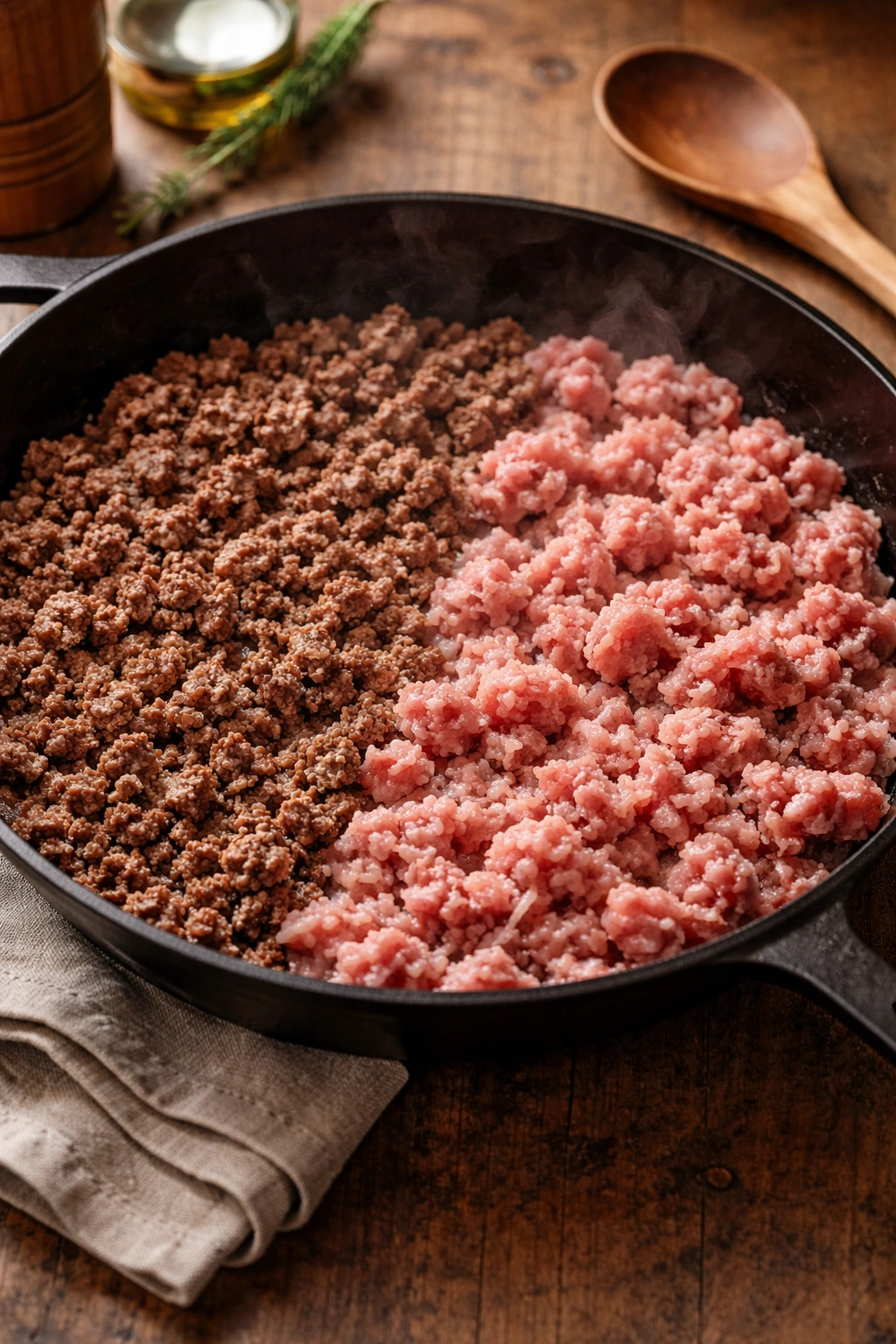
Use a mix of ground beef and ground pork. This combination is very common in dirty rice recipes and gives the dish a richer, more complex flavour. Use half ground beef and half ground pork and cook them together in the same pan. The pork adds a slightly sweeter, fattier dimension that is absolutely delicious.
Add chicken livers for a more traditional version. The original dirty rice is made with chicken livers, and if you are feeling adventurous, add a small amount of finely chopped chicken livers to the pan after browning the ground beef. Cook them until they are no longer pink, then proceed with the recipe. They melt into the dish almost completely and give it an incredibly deep, rich flavour that is very hard to describe but absolutely worth trying.
Make it spicier. If you love heat, double the cayenne pepper, add diced jalapeño to the holy trinity vegetables, or stir in a generous amount of your favourite hot sauce when you add the Worcestershire sauce. Dirty rice is traditionally a bold dish and a little extra heat goes a very long way.
Add andouille sausage. Slice some smoked andouille sausage and cook it in the pan before adding the ground beef. The smoky, spicy sausage adds a completely new layer of flavour to the dish and makes it even more authentically Creole in style.
Make it with cauliflower rice for a low-carb version. If you are watching your carbohydrate intake, swap the white rice for cauliflower rice. The cooking method changes slightly — you will add the cauliflower rice at the very end and just stir it through the beef and vegetable mixture over low heat for about 5 minutes until it is cooked through. The dish will be lighter but still very flavourful and satisfying.
Add diced tomatoes. Stir in a can of diced tomatoes (drained) along with the broth for a slightly more tomatoey, saucy version of the dish. It adds freshness and a little acidity that brightens everything up.
Why This Recipe Is Great for Meal Prep

If you are someone who likes to plan your meals ahead of time to save stress during the week, dirty rice with ground beef is one of the best dishes you can add to your rotation. Here is why it works so well for meal prep.
It reheats beautifully. Unlike some dishes that become completely different and less enjoyable after a day or two in the fridge, dirty rice actually tastes even better the next day. The flavours deepen and meld together overnight and what was already delicious becomes even more so by the time you reheat it the next morning for lunch.
It is very filling and nutritious, which means a portion of dirty rice is genuinely satisfying enough to be a complete meal on its own. You do not need to pair it with a lot of other things to feel full and energised, which makes packing it for lunch very simple and convenient.
It is affordable to make in large quantities. Ground beef is one of the most budget-friendly proteins available, and rice is one of the cheapest staple foods in the world. Making a big batch of this dish costs very little and feeds a lot of people, making it ideal for families or anyone trying to eat well without spending a lot of money.
Frequently Asked Questions

Why is it called dirty rice?
Dirty rice gets its name from the colour of the dish after everything is mixed together. The ground meat, seasonings, tomato paste, and aromatics give the rice a deep brown or “dirty” appearance. There is nothing unclean about it at all — the name is purely descriptive of how it looks. It is a beloved dish in Creole and Cajun cooking from Louisiana, and the “dirty” look is a sign of all the bold, wonderful flavours that have been cooked into every grain of rice.
Can I use brown rice instead of white rice?
Yes, you can use brown rice, but keep in mind that brown rice takes significantly longer to cook than white rice — usually about 40 to 45 minutes instead of 18 to 20 minutes. You will also need to increase the amount of broth slightly, using about 4 cups instead of 3 and a half cups. Everything else in the recipe stays the same. Brown rice has a nuttier flavour and a chewier texture, and it adds more fibre to the dish, making it a great choice if you prefer a wholegrain option.
Can I make dirty rice without meat to make it vegetarian?
Absolutely. Leave out the ground beef and use vegetable broth instead of chicken broth. To keep the dish hearty and filling, add a can of drained black beans or kidney beans, some diced zucchini, or even crumbled firm tofu that you have browned in a little oil. The holy trinity of onion, bell pepper, and celery combined with all the seasonings will still give the dish an incredibly bold and satisfying flavour even without any meat.
My rice came out mushy. What went wrong?
Mushy rice is usually caused by one of three things. Too much liquid, the heat being too high during cooking, or lifting the lid too many times while the rice is cooking. Make sure you measure your broth carefully and stick to the ratio in this recipe. Cook the rice on the lowest heat your stove allows after bringing it to a boil, and do not lift the lid until the full cooking time has passed. Also, letting the rice rest off the heat for 5 minutes before opening the lid makes a big difference in the final texture.
Can I add vegetables to make this dish more nutritious?
Yes, and it is a great idea. You can stir in diced carrots along with the holy trinity vegetables and cook them together. You can add frozen peas or corn at the very end and stir them through the hot rice — they will warm through quickly without needing extra cooking time. Diced zucchini, chopped kale, or even baby spinach stirred in at the end are all great additions that add nutrition and colour without changing the character of the dish.
Final Thoughts
Dirty rice with ground beef is one of those dishes that truly has everything going for it. It is bold. It is hearty. It is comforting. It is affordable. It is easy to make. It stores and reheats beautifully. And most importantly, it tastes absolutely incredible. From the moment you start browning that ground beef and cooking down those vegetables to the moment you lift the lid and see that perfectly cooked, deeply flavoured, beautiful brown rice, every step of making this dish is a pleasure.
What makes this recipe truly stand out is the layering of flavour at every single stage. The browned meat, the cooked-down holy trinity vegetables, the bloomed spices, the caramelised tomato paste, the rice toasted in all those flavours, and then the broth that carries everything together as the rice cooks — each step builds on the last and the result is something that tastes like it was made with far more time and effort than it actually requires.
Whether you are making it for a quick weeknight dinner, prepping it for the week ahead, or cooking a big batch to share with friends and family, this dish is going to deliver every single time. It is one of those recipes you make once and then add to your permanent collection. Try it this week, make it your own with some of the variations we talked about, and enjoy every single satisfying, flavour-packed bite. Happy cooking!