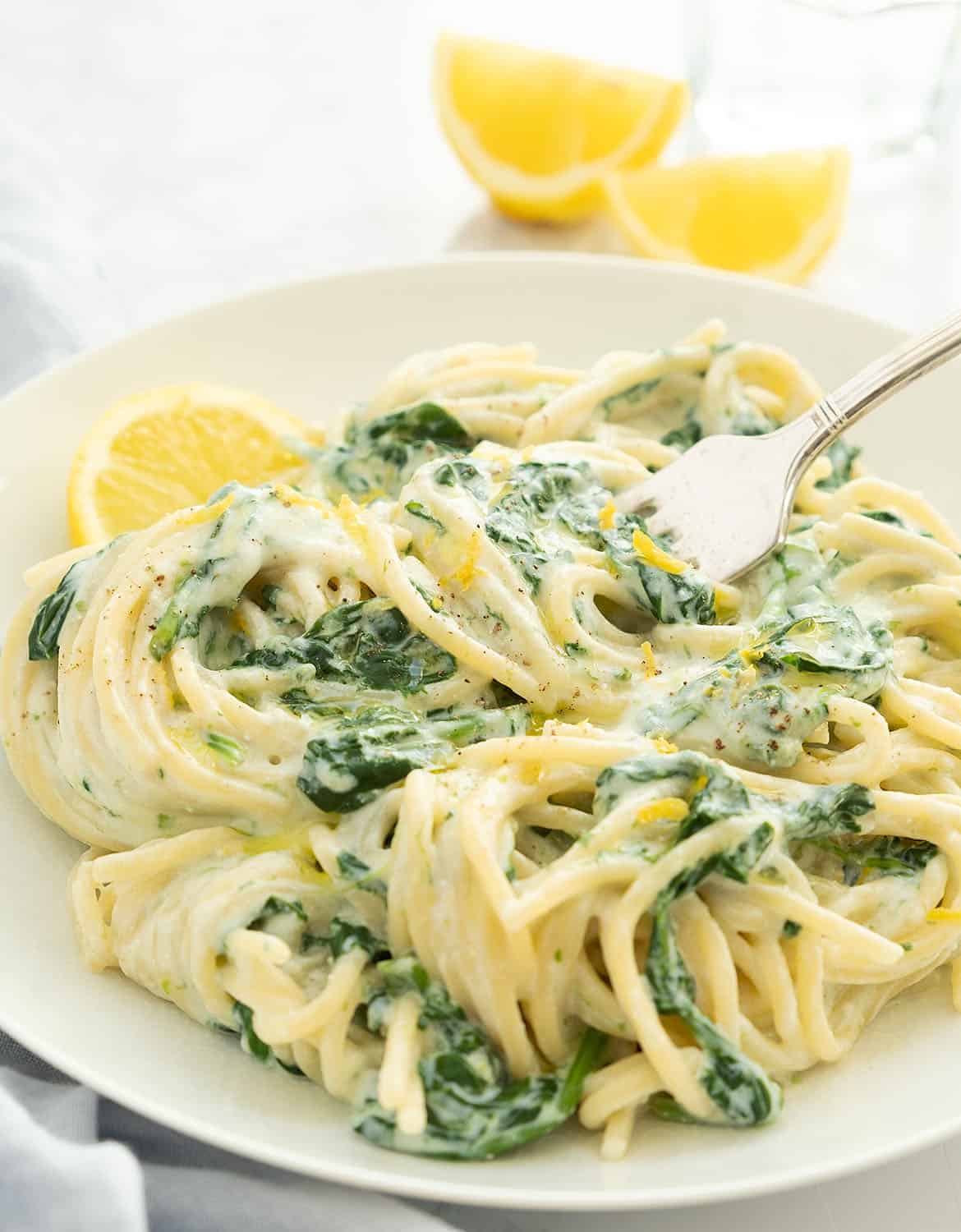
Hey dear, welcome back to kiekie’s place! Today I am bringing you one of the most elegant, most effortlessly beautiful pasta recipes I have ever shared on this blog, and the best part is that it comes together in about 20 minutes from ingredients that are incredibly simple and wonderfully affordable. This is the kind of recipe that proves beyond any doubt that simple food made with care and good ingredients can be more satisfying and more impressive than anything complicated or elaborate.
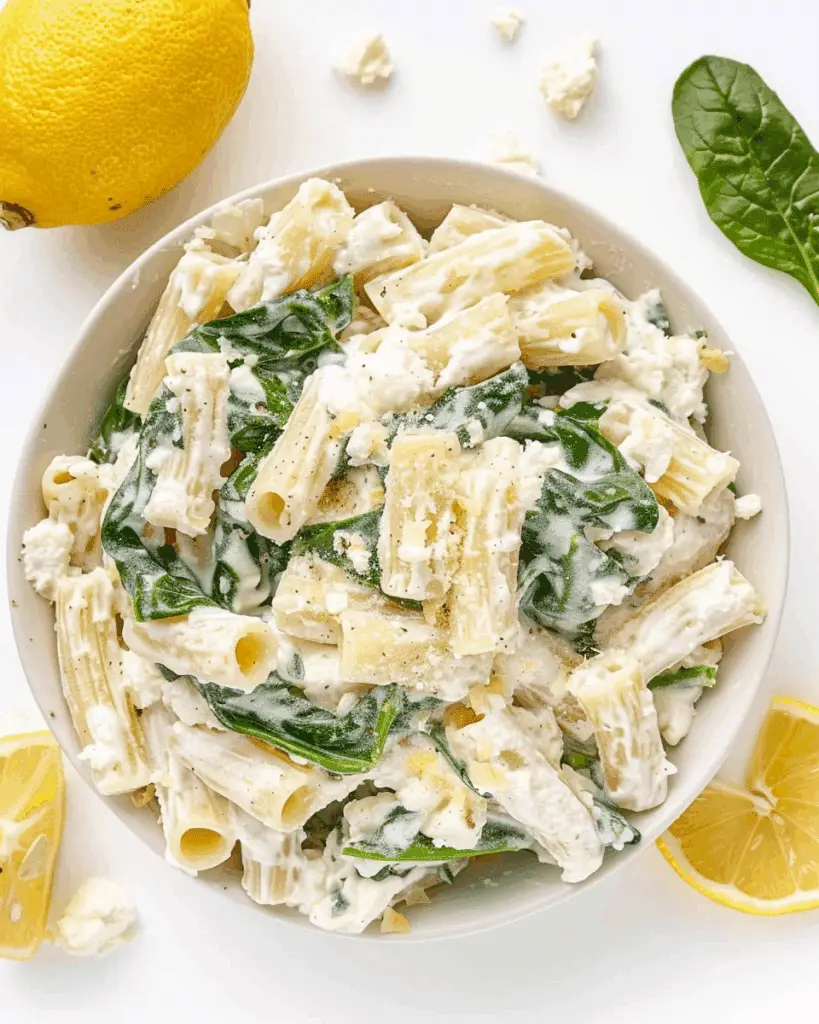
Lemon Ricotta Pasta With Spinach is pure, honest, deeply satisfying cooking at its finest. We are talking about silky, creamy ricotta that melts into hot pasta to create the most luxurious, velvety sauce you can imagine, lifted by the bright, vibrant zing of fresh lemon juice and lemon zest, enriched with Parmesan cheese, and finished with fresh wilted spinach that adds beautiful colour, freshness, and nutrition to every single bite. The whole dish is fragrant with garlic, glossy from good olive oil, and seasoned with just enough black pepper to give it a gentle warmth that makes everything else taste more alive.
This pasta is one of those recipes that feels indulgent and special but is genuinely light enough to eat on a warm evening when you want something satisfying without feeling heavy. It is the kind of dinner that is equally wonderful for a quiet weeknight when you need something fast and comforting, and for a casual dinner party when you want to put something on the table that looks beautiful and tastes extraordinary without spending your whole afternoon in the kitchen.
By the end of this article you will know everything you need to make this pasta perfectly — the technique for creating a silky, creamy sauce without any cream at all, why the pasta cooking water is so essential, how to handle the spinach and the ricotta for the best results, tips for elevating every element, and answers to all your questions. Let us get into it.
What Makes This Pasta So Special?
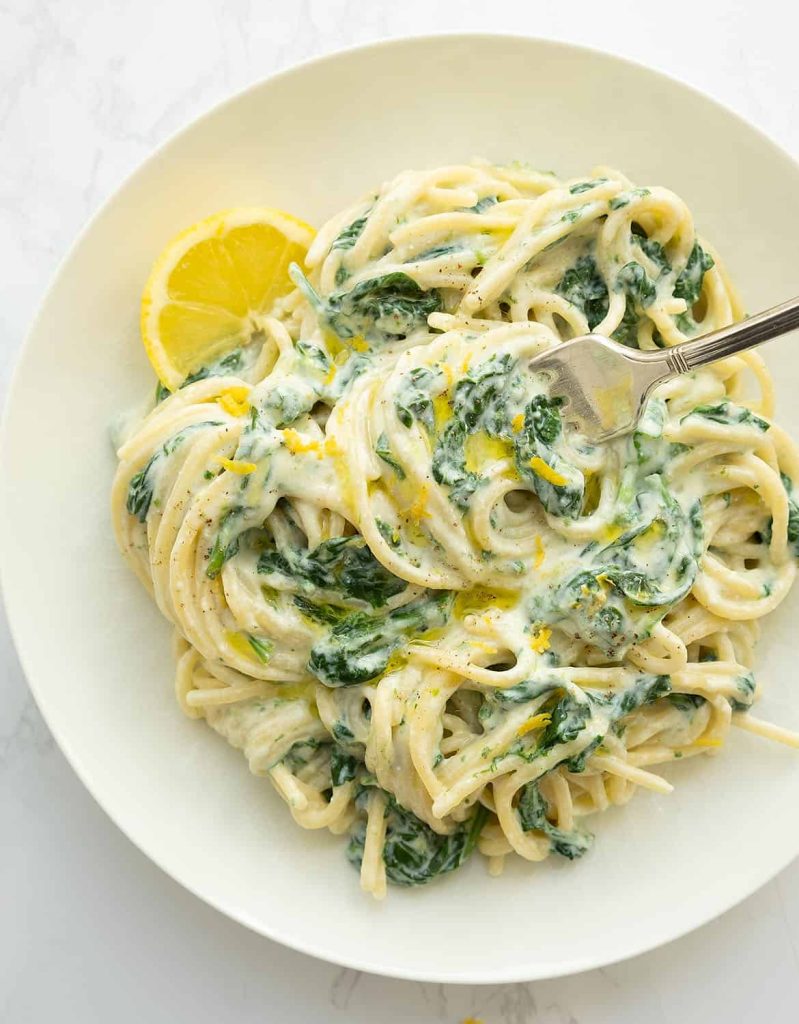
Lemon ricotta pasta sounds simple — and it is — but there is a lot of clever cooking happening in what seems like a very straightforward dish. Understanding what each component does and why the technique matters helps you appreciate the recipe and cook it with more confidence and intention.
The ricotta is the heart of this dish and it behaves in a completely unique way compared to other cheese-based pasta sauces. Unlike hard cheeses like Parmesan or cheddar, ricotta does not melt in the traditional sense. Instead, when it is stirred through hot pasta with a splash of the starchy pasta cooking water, it loosens and becomes creamy and fluid, coating every strand of pasta in a silky, slightly grainy-textured sauce that is rich without being heavy. The key is using the right amount of pasta water to achieve the perfect creamy consistency — too little and the ricotta stays clumped, too much and the sauce becomes watery. Getting this balance right is the central technique of the recipe.
The lemon does more than just add citrus flavour. The acidity of the fresh lemon juice brightens every other flavour in the dish, making the ricotta taste less heavy, the spinach taste more vibrant, and the garlic taste more alive. The lemon zest — which contains the essential oils from the skin of the lemon — adds a concentrated, intensely floral, slightly bitter citrus note that is completely different from the juice and is what gives the pasta its characteristic fragrance and depth. Using both the zest and the juice is essential.
The pasta cooking water is genuinely one of the most important ingredients in this recipe and it is completely free. The water that pasta cooks in becomes loaded with dissolved starch from the pasta, which acts as a natural thickener and emulsifier when added to the ricotta. This starchy water is what transforms the ricotta from a clumped, slightly grainy cheese into a smooth, silky, coating sauce. Always reserve much more than you think you need — at least a full cup — before draining the pasta.
The spinach adds freshness, colour, and nutrition to a dish that would otherwise be entirely pale. Adding it at the right moment — tossed through the hot pasta just before serving — allows it to wilt from the residual heat without overcooking, staying vibrant green and retaining its fresh flavour.
Choosing the Right Ricotta
The quality of the ricotta makes a very significant difference in this recipe because it is the primary ingredient in the sauce. Not all ricotta is created equal.
Fresh whole milk ricotta is the ideal choice. It has a creamy, slightly grainy texture, a milky, delicate flavour, and a moisture content that is just right for becoming a silky pasta sauce with the addition of pasta water and Parmesan. Look for ricotta that lists only milk, whey, salt, and an acid like vinegar as ingredients — the simpler the ingredient list, the better the quality.
Low-fat ricotta has a grainy, slightly dry texture that does not become as creamy and smooth as whole milk ricotta when stirred through hot pasta. It also has a slightly less rich, less milky flavour. Use full-fat ricotta for the best result.
Supermarket tub ricotta varies significantly in quality between brands. Some are excellent — creamy and fresh-tasting with a good texture. Others are grainy, watery, or have a slightly sour or artificial flavour. Buy the best quality ricotta available to you.
Homemade ricotta is genuinely easy to make and produces an outstanding result. Simply heat whole milk to just below boiling, add lemon juice or white vinegar to curdle it, let it sit for a few minutes, and strain through cheesecloth. The result is fresher, creamier, and more flavourful than any store-bought option. If you have the inclination, making your own ricotta for this recipe takes about 20 minutes and is completely worth it.
Choosing the Right Pasta
The pasta shape you choose matters more than you might think for this recipe.
Long, thin pasta like spaghetti, linguine, or spaghettini works beautifully because the ricotta sauce coats every strand evenly and the long strands twirl elegantly in the bowl, picking up sauce from every angle.
Pappardelle or tagliatelle — wide, flat noodles — are a wonderful choice that feels very elegant and provides a lot of surface area for the creamy ricotta sauce to cling to.
Short pasta with ridges like rigatoni or penne rigate works well because the ridges grip the sauce and the hollow centres fill with it. This is a good option if you prefer shorter pasta.
Farfalle — bow-tie pasta — is a charming and very practical choice because the slightly ruffled edges catch and hold the sauce effectively.
Whatever shape you choose, use a good quality dried pasta and cook it to a perfect al dente — firm but cooked through. Overcooked pasta becomes soft and mushy in a sauce like this and does not provide the satisfying textural contrast that makes the dish so enjoyable.
Ingredients You Will Need
For the pasta:
- 400 grams of pasta (spaghetti, linguine, rigatoni, or your preferred shape)
- Generous salt for the pasta cooking water
For the lemon ricotta sauce:
- 350 grams of good quality whole milk ricotta (at room temperature — this is important)
- Zest of 2 large lemons (this is the most important flavour ingredient — be generous)
- Juice of 1 and a half lemons (about 4 tablespoons of fresh lemon juice)
- 4 cloves of garlic (very thinly sliced — not minced, not crushed, but sliced into thin rounds)
- 3 tablespoons of good quality extra virgin olive oil (plus extra for finishing)
- Half a cup of freshly grated Parmesan cheese (plus extra for serving)
- Salt and black pepper to taste (be generous with the black pepper)
- A pinch of red pepper flakes (optional but wonderful)
- Quarter of a teaspoon of nutmeg (optional — adds a beautiful warmth)
- 1 cup of pasta cooking water (reserved before draining — you may not use all of it)
For the spinach:
- 150 grams of fresh baby spinach (or regular spinach with tough stems removed)
- 1 tablespoon of olive oil
- 2 cloves of garlic (minced — for cooking the spinach separately if desired)
- Salt and black pepper to taste
For finishing and garnish:
- Extra virgin olive oil for drizzling
- Extra lemon zest
- Extra freshly grated Parmesan
- Fresh basil leaves (torn — optional but beautiful)
- Toasted pine nuts (optional — add wonderful crunch)
- Freshly cracked black pepper
- Flaky sea salt
Step-by-Step Cooking Method
Step 1 — Bring the Ricotta to Room Temperature
This is the very first step and it is one that many people skip but should not. Remove the ricotta from the fridge and let it sit at room temperature for at least 20 to 30 minutes before cooking. Cold ricotta stirred through hot pasta creates temperature shock that can result in the ricotta becoming grainy and clumped rather than smooth and creamy. Room temperature ricotta melts much more smoothly and evenly into the hot pasta and creates a far superior sauce. Set it out on the counter as soon as you start thinking about making dinner.
Step 2 — Cook the Pasta
Bring a very large pot of water to a rolling boil. Add an extremely generous amount of salt — this cannot be stressed enough for this recipe. The pasta cooking water in this dish is not just a cooking medium — it is an ingredient that will be added to the sauce. Well-salted pasta water seasons the sauce and the pasta simultaneously. The water should taste like the sea.
Add the pasta and cook according to the packet instructions until al dente — firm but cooked through with just a slight bite remaining in the very centre. Check the pasta a minute or two before the packet suggests and taste a piece — you want it just barely underdone because it will continue cooking slightly from residual heat after draining.
Before draining the pasta, use a ladle or a heatproof mug to scoop out at least 1 and a half cups of the pasta cooking water and set it aside. This starchy, salty water is essential and you want plenty of it on hand. Reserve more rather than less — you can always not use it but you cannot get it back once the water is drained.
Drain the pasta and set aside. Do not rinse it — rinsing removes the surface starch that helps the sauce cling and also cools the pasta, which reduces its ability to melt the ricotta smoothly.
Step 3 — Toast the Garlic in Olive Oil
While the pasta cooks, heat the 3 tablespoons of olive oil in a large, wide pan or skillet over medium-low heat. Add the thinly sliced garlic to the cold oil — not hot oil. Starting the garlic in cold oil allows it to heat slowly and gently with the oil, infusing the fat with its flavour over a longer period without burning. This is the same technique used in making arrabbiata and many other Italian sauces.
Let the garlic heat very gently in the oil over medium-low heat for about 4 to 5 minutes, stirring occasionally. You want the garlic to turn from white to very pale golden — barely golden at the edges with a beautiful, deep, fragrant aroma filling the kitchen. The moment you see any garlic turning from pale gold to light brown, remove the pan from the heat immediately. Burnt garlic is bitter and will ruin the gentle, elegant flavour of this dish.
If you are using red pepper flakes, add them to the oil along with the garlic and let them bloom in the fat alongside the garlic.
Step 4 — Prepare the Ricotta Mixture
While the garlic is slowly infusing in the olive oil, prepare the ricotta. Place the room temperature ricotta in a medium bowl. Add the lemon zest — all of it from both lemons. Add the lemon juice. Add the grated Parmesan, the nutmeg if using, a generous seasoning of salt and black pepper. Mix everything together until smooth and well combined. Taste the ricotta mixture — it should taste bright, lemony, creamy, slightly salty, and very fragrant from the lemon zest. The lemon flavour should be pronounced and vibrant. Adjust anything that seems off.
Set the ricotta mixture aside.
Step 5 — Wilt the Spinach
There are two approaches to the spinach in this recipe. The simpler approach is to add the spinach directly to the hot pasta when tossing everything together at the end — the heat from the pasta will wilt the spinach. The more deliberate approach is to quickly sauté the spinach in a little garlic and olive oil separately before adding it to the pasta — this gives the spinach more flavour from the garlic and gives you more control over exactly how wilted it becomes.
For the sauté approach, heat a tablespoon of olive oil in a separate pan over medium-high heat. Add the minced garlic and stir for 30 seconds until fragrant. Add the fresh spinach all at once and toss it in the pan. Season with salt and pepper. Cook for 1 to 2 minutes, tossing frequently, until the spinach is just wilted but still vibrant green. Remove from the heat immediately and set aside.
For the simple approach, just have the fresh spinach ready to add at the tossing stage.
Step 6 — Build the Sauce and Toss the Pasta
This is the most important and most technique-dependent step of the whole recipe. Everything needs to happen relatively quickly and you need the pasta water, the ricotta mixture, and the garlic oil all within easy reach of each other.
Add the drained pasta to the pan with the garlic-infused olive oil over very low heat. Toss the pasta through the oil immediately so every strand is coated in the fragrant garlic oil. This first coating of oil helps the ricotta sauce cling to the pasta more effectively.
Now add the ricotta mixture to the pan all at once. Begin tossing the pasta through the ricotta using tongs or two large spoons, folding everything together. The ricotta will initially look clumped and dry — do not panic. This is exactly when the pasta water comes in.
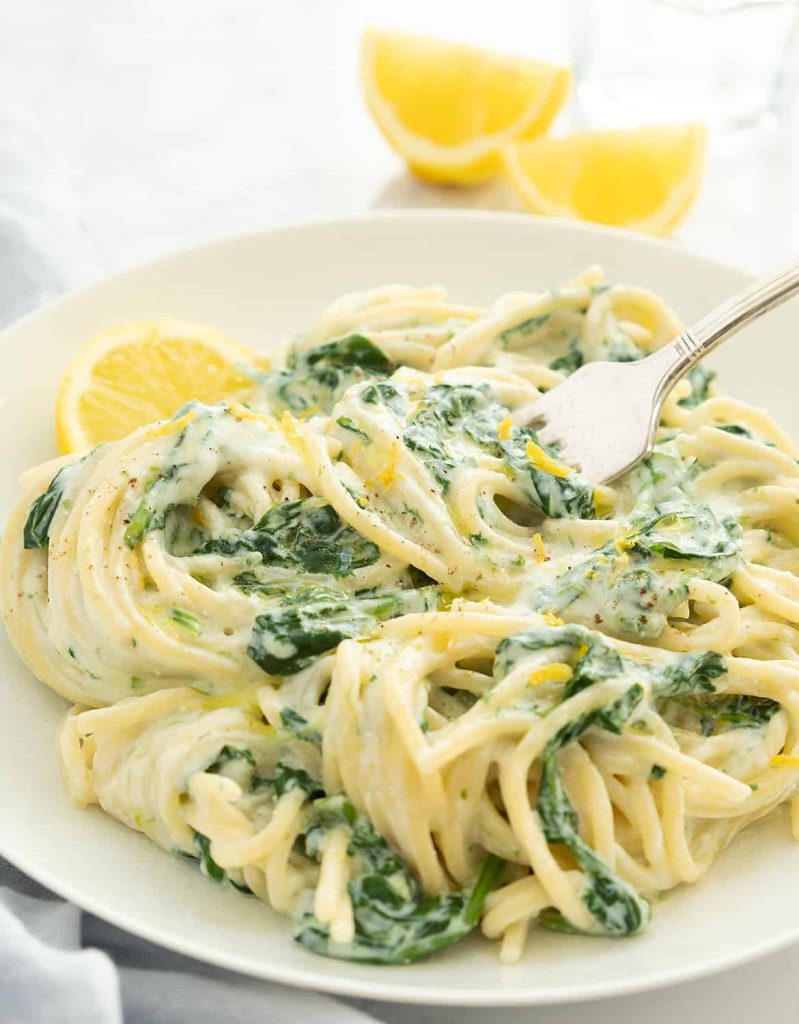
Add the reserved pasta cooking water, about a quarter of a cup at a time, while continuously tossing the pasta. As you add the starchy water and toss, the ricotta will begin to loosen and flow, coating the pasta in a creamy, silky sauce. Add water gradually, tossing and folding constantly between additions, until the sauce reaches a consistency that coats every strand of pasta in a velvety, flowing layer that is neither watery nor thick and clumped. You may use anywhere from half a cup to the full cup of pasta water depending on the consistency of your ricotta and the amount of pasta.
The heat should be on the very lowest setting during this process — just enough to keep things warm without cooking the ricotta, which would cause it to become dry and grainy.
Once the sauce reaches the perfect creamy consistency, taste it and adjust the seasoning one more time. Add more lemon juice if it needs more brightness. Add more Parmesan if it needs more depth. Add more salt and black pepper if it needs more seasoning. Add more pasta water if it seems too thick.
Step 7 — Add the Spinach and Serve
Add the wilted spinach to the pasta and fold it through gently — you want the spinach distributed throughout the pasta without completely breaking up all the leaves. If you are using the simple method, add the fresh spinach to the hot pasta and toss it through — the heat from the pasta will wilt it within 30 seconds to 1 minute. Toss until all the spinach is wilted and evenly distributed.
Serve immediately. This pasta waits for no one — it is at its absolute best the moment it is made, when the sauce is at its most silky and creamy and the spinach is at its most vibrant. As it sits, the pasta absorbs the sauce and the dish can become drier and thicker. If this happens, toss with a splash of warm pasta water to loosen.
Plate the pasta in warmed bowls, twirling it into beautiful nests using tongs. Top each bowl with extra grated Parmesan, an extra pinch of lemon zest, a drizzle of your finest extra virgin olive oil, a crack of fresh black pepper, a pinch of flaky sea salt, and a few torn fresh basil leaves. Add toasted pine nuts if using. Serve with lemon wedges on the side for anyone who wants an extra squeeze of brightness.
Helpful Cooking Tips for the Best Results
Use the best quality ricotta you can find. Since ricotta is the primary sauce ingredient, its quality determines the quality of the dish. Fresh, whole milk ricotta from a good source makes a sauce that is creamy, milky, and deeply satisfying. Poor quality ricotta makes a sauce that is grainy, slightly sour, and disappointing.
Zest the lemons before juicing them. Always remove the zest before cutting and juicing the lemon. Once a lemon is cut, it is much harder to zest properly. Zest on a microplane or fine grater for the finest, most fragrant result. Apply moderate pressure and rotate the lemon, only removing the bright yellow outer skin — the white pith beneath the zest is bitter.
Use the lemon zest generously. The lemon zest is the most distinctive and most important flavour in this dish. The recipe calls for the zest of 2 large lemons — use all of it. The zest adds a concentrated, floral, slightly bitter citrus note that the juice alone cannot provide. This is not a dish where you should use half the amount of zest to be cautious.
Reserve much more pasta water than you think you need. A cup and a half is the minimum to reserve — more is even better. You may not use it all, but having plenty on hand means you can adjust the sauce consistency freely without running out.
Keep the heat very low when tossing the pasta with ricotta. High heat causes ricotta to dry out and become grainy rather than creamy. Keep the flame at its lowest setting — just enough to keep everything warm — while you toss and build the sauce.
Add the pasta water gradually, not all at once. Adding too much water too quickly makes the sauce watery. Add a quarter cup at a time, toss thoroughly, assess the consistency, and add more if needed. You have full control and it is easy to add more but impossible to take it out once it is in.
Use freshly grated Parmesan from a block. Pre-grated Parmesan contains anti-caking agents that make it clump rather than melt smoothly into the sauce. Buy a block of Parmigiano-Reggiano and grate it fresh for the silkiest result.
Warm the serving bowls. This pasta becomes drier and thicker very quickly as it cools. Warm bowls — either run under hot water and dried, or briefly placed in a warm oven — keep the pasta at the right consistency for longer.
Finish with your very best olive oil. A final drizzle of exceptional extra virgin olive oil adds a fruity, slightly peppery richness that elevates the whole dish. Use the best olive oil you own for this final drizzle.
Common Mistakes to Avoid
Using cold ricotta. Cold ricotta does not emulsify smoothly with hot pasta and pasta water. The temperature difference causes it to remain clumped and grainy rather than becoming a creamy, coating sauce. Always bring it to room temperature first.
Adding too much pasta water too quickly. The sauce goes from perfect to watery in one too-generous addition. Add the water slowly, a quarter cup at a time, and toss thoroughly between each addition.
Cooking on high heat when making the sauce. High heat dries out the ricotta and makes it grainy rather than creamy. The heat should be at its very lowest setting — barely on — while you are tossing the pasta with the ricotta.
Letting the garlic burn. Burnt garlic has a harsh, bitter flavour that will dominate and ruin the delicate, elegant character of this dish. Keep the heat low, watch the garlic constantly, and remove from heat the moment it begins to turn any shade of brown beyond the palest gold.
Using bottled lemon juice. Bottled lemon juice has a flat, slightly artificial flavour that lacks the vibrant, fresh quality of freshly squeezed lemon. Always use fresh lemons — both for the zest and the juice.
Forgetting to season generously. This dish relies on salt at every stage — in the pasta water, in the ricotta mixture, and added to taste at the end. Under-seasoned lemon ricotta pasta tastes flat and uninspiring. Season boldly and taste frequently.
Not serving immediately. This pasta is at its best the moment it is made. Every minute it sits, the pasta absorbs more sauce and the dish becomes drier. Always have your bowls ready and serve it the moment it is finished.
What to Serve With Lemon Ricotta Pasta With Spinach
A simple arugula salad dressed with lemon juice, olive oil, and shaved Parmesan is the most perfect and most natural accompaniment for this pasta. The peppery bitterness of the arugula contrasts the creamy richness of the ricotta and the shared lemon dressing creates a beautiful cohesion between the two dishes.
Garlic bread or warm focaccia alongside this pasta is a wonderful combination — the crispy, garlicky bread is perfect for scooping up any sauce remaining in the bowl.
Roasted cherry tomatoes — simply roasted with olive oil, salt, and thyme until bursting and slightly caramelised — add a sweet, slightly acidic element that contrasts beautifully with the creamy, lemony pasta and adds a pop of vibrant colour to the spread.
Grilled or pan-seared chicken on the side makes the meal more substantial and the clean, savoury flavour of well-seasoned chicken pairs beautifully with the delicate, creamy pasta.
Grilled or pan-seared salmon is a particularly elegant pairing — the richness of the salmon and the bright lemon in the pasta complement each other wonderfully.
Roasted asparagus with olive oil and lemon is a very natural vegetable pairing that echoes the lemon in the pasta and adds a slightly bitter, fresh element.
Sautéed mushrooms with thyme and garlic served alongside or mixed through the pasta add an earthy depth that complements the ricotta and lemon beautifully.
A glass of crisp white wine — a Pinot Grigio, Vermentino, or a light Chardonnay — pairs magnificently with the lemon and ricotta and makes the meal feel genuinely elegant.
How to Store Leftovers
In the fridge: Transfer the pasta to an airtight container and store in the refrigerator for up to 2 days. The pasta will absorb the sauce significantly as it sits and will become quite dry and thick. To reheat, place in a pan over very low heat and add a generous splash of water or milk to loosen the sauce. Stir very gently as it warms — you are essentially recreating the sauce building process with the added liquid. Alternatively, microwave covered with a splash of water added, in 30-second intervals, stirring between each. The reheated version will be good but noticeably different from freshly made — this pasta is always best eaten immediately.
Freezing: This pasta does not freeze well. The ricotta sauce becomes grainy and the pasta becomes mushy after freezing and thawing. Make this recipe fresh and eat it on the day it is made for the best experience.
Practical note: Because this pasta is so quick to make — 20 minutes from start to finish — there is rarely a good reason to make it far ahead. If you are cooking for a group, make a large batch of the ricotta mixture and the garlic oil ahead of time, cook the pasta fresh at the moment, and toss everything together quickly at serving time. This approach gives you all the convenience of advance preparation with none of the quality compromise of storing assembled pasta.
Variations You Can Try
Add crispy pancetta or bacon: Cook diced pancetta or bacon until crispy, remove from the pan, and use the rendered fat to cook the garlic instead of olive oil. Scatter the crispy pancetta over the finished pasta. The salty, smoky pancetta contrasts beautifully with the bright lemon and creamy ricotta.
Add roasted cherry tomatoes: Roast cherry tomatoes in olive oil at 200 degrees Celsius until blistered and slightly jammy. Fold them through the finished pasta for bursts of sweet, slightly acidic tomato flavour that work wonderfully with the lemon ricotta.
Make it with peas: Add a cup of frozen peas to the pasta water in the last minute of cooking. They will thaw and cook through from the boiling water and add a lovely sweetness and additional green colour to the dish.
Add toasted pine nuts: Toast a handful of pine nuts in a dry pan until golden and fragrant and scatter them over the finished pasta. The slightly sweet, resinous crunch of toasted pine nuts is one of the most wonderful additions imaginable to this dish.
Spicy version: Double the red pepper flakes and add a tablespoon of chilli oil to the finished pasta. The heat contrasts brilliantly with the cool, bright lemon and creamy ricotta.
Add fresh herbs: Fresh basil is the most natural companion but fresh mint is a surprising and absolutely wonderful addition that amplifies the freshness and brightness of the lemon. Fresh chives or fresh tarragon also work beautifully.
Substitute the spinach: Any leafy green works beautifully in this recipe in place of spinach. Arugula adds a peppery bite. Kale — blanched first until just tender — adds heartiness. Peas provide sweetness. Asparagus cut into small pieces is particularly wonderful in spring.
Make it vegan: Replace the ricotta with a good quality cashew ricotta — blend soaked cashews with lemon juice, a little nutritional yeast, and salt until very smooth. Replace the Parmesan with nutritional yeast or a good vegan Parmesan. The result is surprisingly creamy and satisfying.
Frequently Asked Questions
Why is my ricotta sauce clumpy and not creamy?
Clumpy ricotta sauce is almost always caused by one of three things. The ricotta was too cold when added to the pasta — room temperature ricotta melts much more smoothly than cold. Not enough pasta water was added — the starchy water is what loosens the ricotta into a creamy sauce, so add it more generously and toss more vigorously. Or the heat was too high during tossing — high heat causes ricotta to tighten and dry rather than loosen and cream. The fix is to add more pasta water a little at a time while tossing over the lowest possible heat. If you still have the warm pasta water, this is very easy to rescue.
Can I make this pasta without spinach?
Absolutely. The spinach adds colour, nutrition, and freshness but the pasta is completely delicious without it. You can replace the spinach with any other green — peas, asparagus, roasted cherry tomatoes, sautéed zucchini, or simply serve the lemon ricotta pasta plain without any vegetables. The sauce and the pasta are the stars and they stand on their own beautifully.
My sauce tastes flat and not very lemony. How do I fix it?
Add more lemon zest. The zest is the most important lemon flavour element and adding more of it has an immediate, dramatic impact on the brightness and fragrance of the dish. Also add more lemon juice and taste again. Make sure your seasoning is generous — salt amplifies all the other flavours including the lemon. A pinch more black pepper can also help by adding warmth that makes the lemon seem more vivid in contrast.
Can I use cottage cheese instead of ricotta?
You can but the texture and flavour will be noticeably different. Cottage cheese has a more pronounced tang and a wetter, lumpier texture than ricotta. If using cottage cheese, blend it in a food processor or blender until completely smooth before using — this removes the lumpy texture and makes it behave more similarly to ricotta. Full-fat cottage cheese gives the best result. The flavour will be slightly more tangy than ricotta which can actually be quite pleasant in this lemony dish.
How much pasta water should I really use?
The amount varies depending on the moisture content of your ricotta, the type of pasta you use, and how starchy your pasta water is. Start with a quarter cup and toss thoroughly. Assess the consistency — if the ricotta is still clumped and not coating the pasta smoothly, add another quarter cup and toss again. Keep adding and tossing until the sauce coats every strand in a silky, flowing layer that is creamy but not watery. Most people find they use between half a cup and three quarters of a cup, but having a full cup or more reserved gives you confidence and flexibility.
Final Thoughts
Lemon Ricotta Pasta With Spinach is one of the most beautifully simple, most genuinely satisfying pasta dishes in existence. It asks almost nothing of you in terms of time, skill, or elaborate technique, but it gives back everything in terms of flavour, elegance, and the kind of deep satisfaction that only truly well-made simple food can deliver. This is a recipe that understands what pasta is supposed to be — a vehicle for extraordinary flavour built from a small number of excellent ingredients treated with care and respect.
What makes this pasta genuinely special is how well all the elements understand their roles and play them perfectly. The ricotta provides the creamy, milky richness that forms the sauce. The lemon — both zest and juice — provides the brightness and fragrance that lifts the richness and makes every bite feel alive. The garlic provides warmth and depth. The Parmesan provides saltiness and a sharp, complex umami quality. The spinach provides freshness and colour. The olive oil provides glossiness and a fruity richness. The pasta water ties everything together into a cohesive, silky sauce. Every element is necessary, every element is simple, and together they create something that is far greater than the sum of its parts.
Make this on a weeknight when you want something genuinely delicious in 20 minutes. Make it for friends when you want to put something on the table that feels special without any stress. Make it for yourself when you want food that is simple and honest and deeply, beautifully satisfying. However you make it and whoever you share it with, this Lemon Ricotta Pasta With Spinach is going to be one of the most quietly extraordinary things you cook this year. Happy cooking!