Welcome back to my blog! Today I am bringing you something that is going to make your kitchen smell like pure heaven and make your taste buds do a little happy dance. If you are someone who loves a meal that is quick to put together but tastes like you spent hours on it, then you are absolutely in the right place today. This recipe is one of those golden ones — simple ingredients, straightforward steps, and a result that is so good you will want to make it every single week.
Honey Mustard Pork Chops. Just saying the name is enough to make your mouth water. We are talking about juicy, tender pork chops coated in a sauce that is sweet, tangy, slightly sharp, and deeply satisfying all at the same time. This is the kind of meal that works on a busy weeknight when you do not have much time, on a relaxed weekend when you just want something comforting and delicious, or even when you have guests coming over and you want to put something impressive on the table without stressing yourself out.
By the time you are done reading this article, you will know exactly how to make Honey Mustard Pork Chops from scratch, how to get the juiciest results every single time, what to serve alongside them, how to store leftovers, and so much more. Everything is broken down simply and clearly so that whether you are an experienced cook or someone who is just starting out in the kitchen, you can follow along with complete confidence.
Let us get into it.
What Are Honey Mustard Pork Chops?
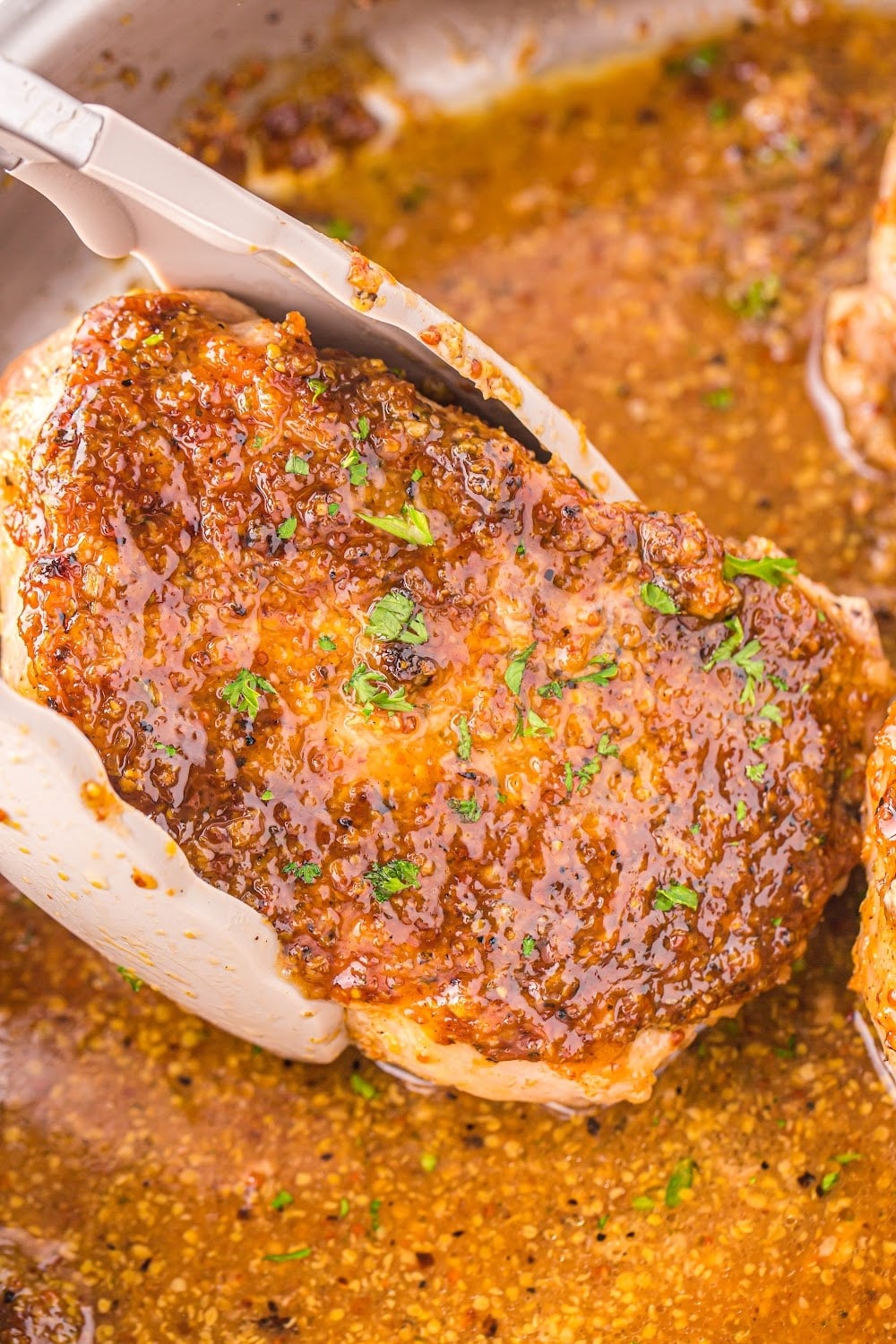
Honey Mustard Pork Chops are exactly what the name tells you — pork chops that are seasoned, cooked, and coated in a rich sauce made from honey and mustard. The sauce is the heart and soul of this dish. It brings together the natural sweetness of honey and the bold, tangy sharpness of mustard to create a flavour combination that is incredibly well-balanced and absolutely irresistible.
Pork chops on their own are a great cut of meat — they are affordable, widely available, and cook relatively quickly compared to larger cuts like a roast. But the problem that many people run into with pork chops is that they can easily become dry and tough if they are not cooked correctly. That is exactly where this honey mustard sauce comes in as a complete game changer. The sauce keeps the pork chops incredibly moist during cooking, adds layers of flavour that penetrate the meat, and creates a beautiful sticky glaze on the outside that makes every bite deeply satisfying.
This dish can be made entirely on the stovetop in a pan, cooked in the oven, or started on the stovetop and finished in the oven — all three methods work beautifully and we will walk through the best approach in the cooking method section below.
Choosing the Right Pork Chops
Before we even talk about the sauce or the cooking method, let us talk about the pork chops themselves, because choosing the right cut makes a very big difference in the final result.
Bone-in pork chops are the most flavourful option. The bone runs along one side of the chop and during cooking, it helps the meat stay juicy and adds a depth of flavour to the surrounding meat that boneless chops just cannot match. Bone-in chops are also usually thicker, which gives you more room to get a good sear on the outside without overcooking the inside.
Boneless pork chops are the most convenient option. They are easy to eat, cook slightly faster than bone-in, and are perfect if you want neat, clean pieces of meat on the plate. They work beautifully in this recipe, just be mindful not to overcook them since they are leaner and can dry out faster.
Thick-cut pork chops that are at least 2 to 3 centimetres thick are always preferable over thin chops for this recipe. Thin chops cook through very quickly and by the time you get a proper sear on the outside, the inside can already be overdone and dry. Thick chops give you much more control over the cooking and result in juicier, more satisfying meat.
Centre-cut pork chops are the most common type you will find at the butcher or supermarket and they work perfectly in this recipe. They come from the middle of the loin, which means they are lean, tender, and have a good flavour.
Whichever type you choose, try to pick chops that are roughly the same thickness so they all cook evenly at the same time.
Ingredients You Will Need
This recipe uses simple, everyday ingredients that you likely already have most of at home.
For the pork chops:
- 4 pork chops (bone-in or boneless, about 2 to 3 centimetres thick)
- 1 teaspoon of salt
- 1 teaspoon of black pepper
- 1 teaspoon of garlic powder
- 1 teaspoon of onion powder
- Half a teaspoon of smoked paprika
- 1 tablespoon of olive oil (for cooking)
- 1 tablespoon of butter (for cooking)
For the honey mustard sauce:
- 3 tablespoons of Dijon mustard
- 2 tablespoons of whole grain mustard
- 3 tablespoons of honey
- 2 tablespoons of chicken broth (or apple juice for a slightly sweeter version)
- 1 tablespoon of apple cider vinegar (or fresh lemon juice)
- 1 tablespoon of mayonnaise
- 3 cloves of garlic (minced)
- Half a teaspoon of dried thyme or fresh thyme leaves
- Salt and black pepper to taste
- A pinch of cayenne pepper (optional, for a subtle kick)
Optional garnish:
- Fresh thyme sprigs or fresh parsley (chopped)
- Lemon wedges for serving
- A drizzle of extra honey just before serving
Step-by-Step Cooking Method
Step 1 — Bring the Pork Chops to Room Temperature
Take your pork chops out of the fridge at least 15 to 20 minutes before you plan to start cooking. This small step makes a meaningful difference. Cold meat placed directly into a hot pan cooks unevenly — the outside overcooks before the inside has had a chance to catch up. Allowing the chops to come closer to room temperature means they cook more evenly from edge to centre, giving you a juicier result throughout.
While the pork chops are resting on the counter, pat them completely dry using paper towels. Press the paper towel firmly against all surfaces of each chop to remove as much moisture as possible. Dry meat sears beautifully. Wet meat steams in the pan and you lose that gorgeous golden-brown crust that is so important for both flavour and texture.
Step 2 — Season the Pork Chops
In a small bowl, mix together the salt, black pepper, garlic powder, onion powder, and smoked paprika. Sprinkle this seasoning blend generously over both sides of each pork chop and use your fingers to press the seasoning in firmly so it sticks to the surface. Do not be shy with the seasoning — pork chops are a thick cut of meat and they need a bold seasoning on the outside to deliver good flavour all the way through.
Set the seasoned chops aside while you make the honey mustard sauce.
Step 3 — Make the Honey Mustard Sauce
This sauce is the star of the whole dish so take a couple of minutes to make it properly. In a small bowl, combine the Dijon mustard, whole grain mustard, honey, chicken broth, apple cider vinegar, mayonnaise, minced garlic, dried thyme, a pinch of cayenne if you are using it, and a little salt and black pepper. Whisk everything together until it is completely smooth and well combined.
Taste the sauce. It should be tangy, sweet, slightly sharp, and very flavourful. The balance between the honey and the mustard is the key — you want neither one to completely overpower the other. If it tastes too tangy, add a tiny bit more honey. If it tastes too sweet, add a little more mustard or a splash more vinegar. Adjust it to suit your taste and set it aside. You will use it in stages during the cooking process.
Step 4 — Sear the Pork Chops
Place a large, heavy-bottomed skillet — cast iron is ideal but any heavy pan works — over medium-high heat. Add the olive oil and butter together and let them heat up until the butter is melted and the mixture is hot and shimmering. The combination of oil and butter is intentional. The oil raises the smoke point so the butter does not burn at high heat, while the butter adds richness and a beautiful golden colour to the sear.
Once the fat is hot, carefully place the seasoned pork chops into the pan. Do not move them once they are in the pan. Let them sit completely undisturbed for 3 to 4 minutes on the first side. You will know they are ready to flip when they release easily from the pan and have developed a deep golden-brown crust on the bottom. If they are sticking, they are not ready yet — give them another minute.
Flip the chops and sear the second side for another 3 minutes. At this point, the chops should have a beautiful crust on both sides and be partially cooked through but not yet fully done in the centre. That is exactly where you want them because they will finish cooking in the sauce.
If your pork chops are bone-in and have a fat cap running along the edge, hold each chop on its side using tongs and sear the fat cap for about 1 to 2 minutes until it turns golden and crispy. This is a small step that adds a lot of flavour.
Step 5 — Add the Honey Mustard Sauce
Reduce the heat to medium-low. Spoon about two thirds of the honey mustard sauce over and around the pork chops in the pan. Use the back of the spoon to coat the top of each chop generously with the sauce. The sauce will hit the hot pan and start to sizzle and bubble immediately, filling your kitchen with the most incredible aroma.
Let the chops cook in the sauce over medium-low heat for about 4 to 5 minutes, spooning the sauce over the top of the chops every minute or so to baste them as they cook. Basting means using a spoon to scoop the sauce from the bottom of the pan and pour it back over the top of the meat repeatedly. This keeps the surface of the chops moist, coats them in sauce as they cook, and helps the glaze build up on the outside of each chop.
Step 6 — Finish in the Oven (Optional but Recommended for Thick Chops)
If your pork chops are on the thicker side — 3 centimetres or more — the best way to finish them is in the oven after the initial sear and sauce step on the stovetop. This ensures they cook through gently and evenly without drying out.
Transfer the pan to an oven preheated to 190 degrees Celsius and bake for 8 to 12 minutes, depending on the thickness of your chops. Use a meat thermometer to check the internal temperature — pork chops are fully cooked and safe to eat when they reach an internal temperature of 63 degrees Celsius. At this temperature the pork will still have a slight blush of pink in the very centre, which is perfectly safe and actually indicates that the meat is still moist and juicy. If you cook it all the way to grey in the middle, it will be dry.
If your pork chops are thinner — about 2 centimetres — you can skip the oven step entirely and just finish them in the pan on the stovetop over low heat until cooked through.
Step 7 — Rest the Pork Chops
Once the pork chops are cooked, remove them from the oven or pan and transfer them to a plate or cutting board. Tent them loosely with a piece of aluminium foil and let them rest for 5 minutes before serving. This resting period is not optional — it is one of the most important steps in cooking any meat. During cooking, the juices inside the meat get pushed towards the centre by the heat. Resting allows those juices to redistribute evenly throughout the chop so that when you cut into it, the juices stay in the meat rather than running out onto the plate.
A pork chop that has been rested properly is noticeably juicier and more flavourful than one that is cut into immediately after cooking.
Step 8 — Make a Quick Pan Sauce and Serve
While the pork chops are resting, pour the remaining one third of the honey mustard sauce into the still-hot pan and stir it into the cooking juices and any caramelised bits left in the pan. Let it warm through and bubble gently for about 1 minute. This creates a quick, intensely flavourful sauce from the reserved sauce and all the delicious drippings in the pan.
Spoon this sauce generously over the rested pork chops when you plate them up. Garnish with fresh thyme or chopped parsley, add a lemon wedge on the side, and drizzle a tiny bit of extra honey over the top if you want that extra gorgeous finish. Serve immediately and enjoy.
Helpful Cooking Tips for the Best Results
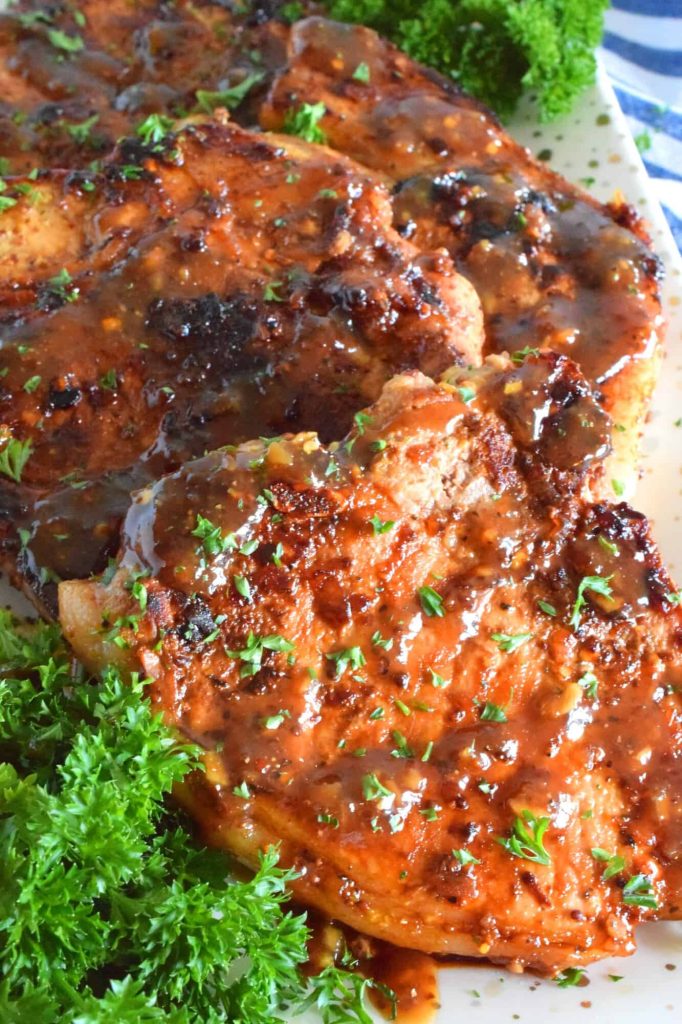
Do not overcook the pork chops. This is the single most important tip for this recipe and for cooking pork chops in general. Overcooked pork chops are dry, tough, and chewy, and no amount of sauce can fix that. Modern food safety guidelines allow pork to be served at 63 degrees Celsius with a 3-minute rest, which means the meat can still be very slightly pink in the centre. This is safe, and it is also when pork chops are at their juiciest and most delicious. Invest in a simple meat thermometer if you do not already have one — it takes all the guesswork out of cooking pork.
Use a cast iron skillet if you have one. Cast iron retains heat exceptionally well and distributes it very evenly, which means you get a more consistent, deeper sear on your pork chops than you would with a regular pan. If you do not have cast iron, a heavy stainless steel pan or a thick non-stick pan will work well too.
Do not move the pork chops while they are searing. Once you put the chops in the hot pan, leave them alone. Moving them around prevents the crust from forming properly. The crust will release naturally from the pan when it is ready to be flipped — if you have to force it, it is not ready yet.
Baste the chops frequently once the sauce is in. Basting — spooning the sauce back over the top of the chops as they cook — is what builds up that gorgeous, sticky, caramelised glaze on the outside of the meat. Do not skip the basting and do not do it just once. Baste every minute or so once the sauce is in the pan for the best results.
Reserve some sauce to add at the end. Always hold back a portion of the honey mustard sauce to add to the pan after the chops are cooked. This is what creates your fresh, bright pan sauce. Sauce that has been cooking with the meat for the entire time will be very concentrated and may taste slightly different from freshly added sauce. Using a combination of both gives you the best depth and freshness in the final dish.
Let the honey mustard sauce come to room temperature before adding it to the hot pan. Cold sauce added to a very hot pan can cause spattering and can lower the temperature of the pan suddenly, which disrupts the searing process. Making the sauce ahead of time and letting it sit at room temperature while the chops cook is the ideal approach.
Pound thinner chops to an even thickness. If you are working with pork chops that are thinner on one end than the other, use a meat mallet or even the bottom of a heavy pan to gently pound the thicker part to match the thinner part. Even thickness equals even cooking.
Season generously. Pork is a relatively mild-flavoured meat on its own, and it needs bold seasoning on the outside to deliver great flavour all the way through. Do not hold back on the salt, pepper, and spices in the seasoning blend.
Common Mistakes to Avoid
Skipping the pat-dry step. Wet meat does not sear — it steams. Always pat your pork chops completely dry before cooking. This is non-negotiable if you want that golden, flavourful crust.
Cooking straight from the fridge. Cold pork chops cook unevenly. The outside overcooks before the inside is done, which leads to tough, dry meat. Always allow the chops to come to room temperature for at least 15 minutes before cooking.
Using too high a heat for the sauce. Honey contains a lot of natural sugars and it burns easily under high heat. Once you add the honey mustard sauce to the pan, reduce the heat to medium-low. High heat will cause the honey to burn and turn bitter before the pork chops are cooked through.
Cutting into the pork chops immediately after cooking. This lets all those precious juices run out onto the plate instead of staying in the meat where they belong. Always rest the chops for at least 5 minutes before cutting or serving.
Using too thin pork chops. Thin pork chops cook through in just a couple of minutes and it is very easy to overcook them, especially when you are also trying to build a good sear. Thick-cut chops give you much more control and deliver a far juicier result.
Not tasting the sauce before adding it. The honey mustard sauce is the heart of this dish. Always taste it and adjust the balance before it goes near the pork chops. Getting the flavour right at the sauce stage means the finished dish will be exactly what you want it to be.
What to Serve With Honey Mustard Pork Chops

Honey mustard pork chops are bold, rich, and slightly sweet, so they pair beautifully with sides that are creamy, starchy, or fresh and light.
Mashed potatoes are the most natural and beloved pairing for pork chops. Creamy, buttery mashed potatoes with the honey mustard pan sauce spooned generously over everything is a plate of pure comfort. The potatoes soak up the sauce and every single bite is deeply satisfying.
Roasted baby potatoes tossed in olive oil, garlic, and herbs are a slightly lighter alternative to mashed potatoes and add a lovely texture contrast to the soft, saucy pork chops.
Steamed or roasted green beans are a classic side for pork chops. Their fresh, slightly grassy flavour cuts through the richness of the honey mustard sauce beautifully and adds a bright pop of green colour to the plate.
Roasted carrots glazed with a little honey and butter echo the sweetness in the honey mustard sauce and create a beautifully cohesive flavour experience across the whole plate.
Sautéed spinach or wilted greens cooked quickly in garlic and olive oil add a nutritious, fresh element that balances the richness of the pork and sauce without competing with the main flavours.
Apple sauce or roasted apple slices are a classic pairing with pork that works especially well in this recipe. The natural sweetness and slight tartness of apple complements the honey mustard sauce in a way that feels very natural and very delicious.
Steamed white rice or buttered egg noodles make a simple, filling base that soaks up the honey mustard sauce wonderfully and lets the pork chops be the clear star of the meal.
A fresh garden salad with a light vinaigrette is a perfect pairing if you want something fresh and crisp on the side to balance the richness of the main dish.
Roasted sweet potatoes bring a natural sweetness and creaminess that pairs beautifully with the tangy honey mustard flavours of the pork.
Cornbread is a wonderful option if you want to lean into a more Southern-inspired meal. The slightly sweet, crumbly bread is a delightful contrast to the savoury, tangy pork.
How to Store Leftovers
In the fridge: Allow the pork chops to cool completely before storing. Place them in an airtight container along with any remaining sauce and refrigerate for up to 3 to 4 days. To reheat, warm them gently in a covered pan over low heat with a splash of chicken broth added to the pan to prevent them from drying out. You can also reheat in the microwave, but cover the chops with a damp paper towel and heat in short 30-second intervals to avoid drying the meat out. The key is gentle, low heat — high heat will toughen the meat.
In the freezer: Cooked pork chops can be frozen, though the texture changes slightly after freezing and thawing. Wrap each chop individually in cling film and then place them in a freezer-safe bag or container. Store for up to 2 months. Thaw completely in the fridge overnight before reheating gently on the stovetop with a little added broth or sauce.
Leftover idea: Slice leftover pork chops thinly and use them in sandwiches with a little extra honey mustard sauce, some lettuce, and sliced tomato. It makes an absolutely wonderful next-day lunch that takes almost no effort to put together.
Variations You Can Try

Baked honey mustard pork chops: If you prefer to use the oven for the entire cooking process rather than the stovetop, you can do so. Season the chops, sear them briefly in an oven-safe pan, coat generously with the honey mustard sauce, and bake at 200 degrees Celsius for 20 to 25 minutes, basting once halfway through. Finish under the broiler for the last 2 to 3 minutes to get a beautifully caramelised glaze on top.
Creamy honey mustard pork chops: After the chops are cooked and resting, add a splash of heavy cream to the pan sauce and stir it in over low heat. The cream softens the sharpness of the mustard and creates a luscious, velvety sauce that is absolutely incredible poured over the pork chops and mashed potatoes.
Honey mustard pork chops with herbs: Add a generous amount of fresh rosemary, fresh thyme, or fresh sage to the honey mustard sauce. The herbaceous flavours pair naturally with both pork and mustard and add a lovely aromatic quality to the dish.
Honey mustard pork chops with apples: Add thinly sliced apples to the pan when you add the honey mustard sauce. The apples soften as they cook and become sweet, slightly caramelised, and absolutely delicious alongside the pork and the tangy sauce.
Spicy honey mustard pork chops: Add a tablespoon of sriracha or hot sauce to the honey mustard sauce along with extra cayenne pepper. The heat plays brilliantly against the sweetness of the honey and adds an exciting kick to the dish.
Grilled honey mustard pork chops: Brush the seasoned pork chops with the honey mustard sauce and cook them on a preheated grill over medium-high heat. Brush with more sauce every time you flip them. The grill adds a smoky, charred quality to the honey mustard glaze that is absolutely wonderful.
Frequently Asked Questions
How do I stop my pork chops from becoming dry and tough?
Dry, tough pork chops are almost always the result of overcooking. Pork chops cook quickly and the window between perfectly cooked and overdone is quite narrow, especially with thinner chops. The most reliable way to avoid overcooking is to use a meat thermometer and pull the chops off the heat as soon as the internal temperature reaches 63 degrees Celsius. Also, choosing thick-cut chops gives you more of a buffer than thin ones. Resting the chops after cooking for 5 minutes is equally important — it allows the juices to redistribute throughout the meat and keeps every bite moist and flavourful.
Can I use yellow mustard instead of Dijon mustard for the sauce?
You can, but the flavour of the sauce will be noticeably different. Dijon mustard is smoother, more complex, and has a slightly wine-like quality that pairs beautifully with honey and creates a sophisticated sauce. Yellow mustard is sharper, more one-dimensional, and has a more acidic, vinegary quality. If Dijon is all you have, the dish will still be delicious — just a little more straightforward in flavour. Whole grain mustard is actually a wonderful addition because it adds texture and little bursts of flavour throughout the sauce. A combination of Dijon and whole grain mustard is the ideal choice for this recipe.
Can I marinate the pork chops in the honey mustard sauce before cooking?
Yes, and this is actually a wonderful idea that adds even more flavour to the finished dish. Place the seasoned pork chops in a zip-lock bag or a shallow dish, pour about half the honey mustard sauce over them, and let them marinate in the fridge for at least 1 hour, or up to overnight for the most flavourful result. When you are ready to cook, take the chops out, let them come to room temperature, pat them lightly dry, and cook as normal. Always make a fresh batch of sauce for cooking and serving — never use the marinade that has been in contact with raw pork as a sauce for serving.
Can I make this recipe in an air fryer?
Yes, air fryer honey mustard pork chops are absolutely delicious. Preheat the air fryer to 200 degrees Celsius. Season the pork chops, brush them generously with the honey mustard sauce, and place them in the air fryer basket in a single layer. Cook for 12 to 15 minutes, flipping halfway through and brushing with more sauce each time you flip. Check the internal temperature and make sure it reaches 63 degrees Celsius before serving. The air fryer creates a beautifully caramelised, slightly sticky glaze on the outside of the chops that is incredibly good.
What is the best pan to use for cooking pork chops on the stovetop?
A cast iron skillet is the gold standard for cooking pork chops on the stovetop. It retains heat exceptionally well and gets very hot, which creates a deep, even sear. A heavy stainless steel pan is the next best option. Avoid lightweight non-stick pans for the initial searing because they do not get hot enough to create a proper crust. Once the sauce is added and the heat is reduced, a non-stick pan is fine, but the initial sear really benefits from a heavy, very hot pan.
Final Thoughts
Honey Mustard Pork Chops is a recipe that truly delivers on every single promise. It is quick enough to make on a weeknight but impressive enough to serve to guests. It uses simple, affordable ingredients that most people already have at home. It comes together in one pan with minimal cleanup. And the flavour — that beautiful, balanced combination of sweet honey, bold tangy mustard, and perfectly seared, juicy pork — is the kind of thing that stays with you long after the plate is empty.
What makes this dish so special is the sauce. That honey mustard glaze does so much more than just coat the outside of the meat. It seeps into every bite, creates a caramelised crust during cooking, mixes with the pan drippings to create a sauce that is richer and more complex than anything you could make separately, and brings the kind of flavour that makes people ask you for the recipe before they have even finished eating.
The key to getting this recipe absolutely right every time is in the details — patting the chops dry, seasoning boldly, getting a proper sear, not overcooking the meat, basting frequently once the sauce is in the pan, and resting the chops properly before serving. Follow those steps and you will have a plate of honey mustard pork chops that is genuinely outstanding. Make this recipe once and it will earn a permanent place in your cooking life. Happy cooking!