Hey there, welcome back to the blog! Today I am bringing you something really special — something that is not just about making delicious food but about making food that genuinely loves your body back. If you have been hearing a lot about the Mediterranean diet lately and wondering what all the fuss is about, or if you already know about it and are looking for real, practical recipes to get started, then you are in exactly the right place today.
The Mediterranean diet is consistently ranked as one of the healthiest ways of eating in the entire world, and it has been for many years running. But here is what I love most about it — it does not feel like a diet at all. There are no miserable restriction rules, no counting every calorie, no eating bland boring food just because it is healthy. Mediterranean eating is about abundance. It is about fresh vegetables, good olive oil, hearty legumes, beautiful grains, fresh seafood, fragrant herbs, and real food that tastes incredible and makes you feel genuinely good from the inside out.
In this article I am sharing 10 of the best Mediterranean diet recipes that are easy to make, deeply satisfying, full of nutrition, and absolutely delicious. Each recipe comes with a full breakdown of ingredients, cooking method, helpful tips, and everything you need to make it successfully at home. Whether you are completely new to Mediterranean cooking or a seasoned home cook looking for fresh inspiration, these recipes are going to become some of your most loved and most made meals. Let us get right into it.
What Is the Mediterranean Diet and Why Is It So Good for You?

Before we jump into the recipes, let us take a quick moment to understand what the Mediterranean diet actually is, because knowing the principles behind it will help you cook these recipes with more confidence and intention.
The Mediterranean diet is inspired by the traditional eating habits of people who live in countries bordering the Mediterranean Sea — places like Greece, Italy, Spain, Turkey, Lebanon, and Morocco. For centuries, people in these regions have eaten a diet that is naturally rich in plant foods, healthy fats, whole grains, legumes, and fresh fish, while being low in processed foods, refined sugars, and unhealthy saturated fats.
The core principles of Mediterranean eating are simple. Eat plenty of vegetables, fruits, whole grains, legumes, nuts, and seeds. Use olive oil as your main source of fat. Eat fish and seafood regularly. Eat moderate amounts of poultry, eggs, and dairy. Eat red meat only occasionally. Avoid processed foods, refined grains, and added sugars as much as possible.
The health benefits of eating this way are well documented and genuinely impressive. Research has consistently linked the Mediterranean diet to reduced risk of heart disease, lower rates of type 2 diabetes, better brain health and reduced risk of cognitive decline, healthier weight management, reduced inflammation throughout the body, and even longer life expectancy. These are not small claims — they are backed by decades of serious scientific research involving hundreds of thousands of people across the world.
And the best part? The food is absolutely delicious. Now let us get into the recipes.
Greek Lemon Chicken Soup (Avgolemono)
What Is It?
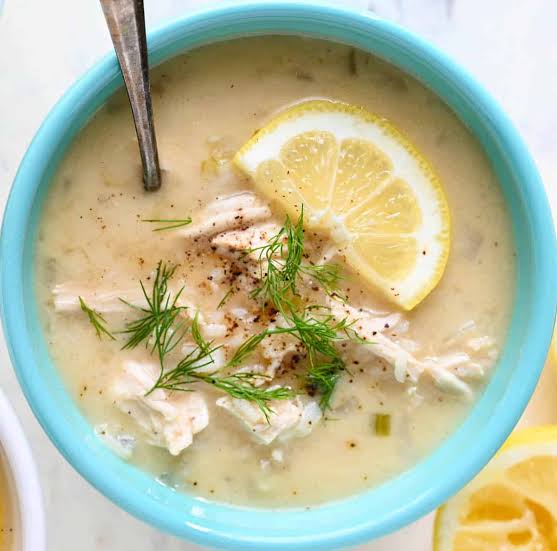
Avgolemono is one of the most beloved soups in all of Greek cuisine. The name comes from the two key ingredients that make it so unique and special — “avgo” means egg and “lemono” means lemon. It is a silky, creamy, deeply comforting soup made from chicken broth, shredded chicken, rice or orzo, and thickened with a mixture of beaten eggs and fresh lemon juice. The result is a soup that is incredibly smooth, bright with lemon flavour, and satisfying in a way that feels gentle and nourishing rather than heavy and overwhelming.
Ingredients
- 1 whole chicken or 4 bone-in chicken thighs
- 8 cups of chicken broth or water
- 1 cup of long grain white rice or orzo pasta
- 3 large eggs
- Juice of 2 large lemons (about 6 tablespoons)
- 1 medium onion (halved)
- 2 stalks of celery
- 2 carrots
- 3 cloves of garlic
- Salt and black pepper to taste
- Fresh parsley for garnish
- Lemon slices for serving
Cooking Method
Place the chicken, onion, celery, carrots, and garlic in a large pot and cover with the broth or water. Bring to a boil over high heat, then reduce to a gentle simmer. Cook for about 45 minutes to 1 hour until the chicken is completely cooked through and very tender.
Remove the chicken from the broth and set it aside to cool slightly. Strain the broth through a fine mesh strainer to remove all the vegetables and any floating bits — you want a clear, clean broth. Return the strained broth to the pot and bring it back to a gentle simmer. Add the rice or orzo and cook according to the packet instructions until just tender.
While the rice cooks, shred the chicken meat from the bones using two forks. Discard the skin and bones. Add the shredded chicken back into the simmering broth.
Now comes the most important step — making the avgolemono. In a bowl, whisk the eggs together very well until they are frothy and slightly pale. Add the lemon juice and whisk it in thoroughly. Now, very slowly and very carefully, ladle about 2 cups of the hot broth from the pot into the egg and lemon mixture, whisking constantly as you pour. This process is called tempering and it is absolutely essential — it gently raises the temperature of the eggs gradually so they do not scramble when they hit the hot soup. If you add the eggs directly to the boiling soup without tempering, you will get scrambled egg pieces floating in your soup, which is not what you want.
Once the egg mixture is tempered and warm, pour it back into the pot of soup while stirring continuously. Reduce the heat to the very lowest setting. Stir gently for about 2 minutes. The soup will thicken slightly and become beautifully smooth and creamy. Do not let it boil after adding the egg mixture — high heat will cause the eggs to curdle.
Season with salt and black pepper. Serve immediately in deep bowls, garnished with fresh parsley and a slice of lemon.
Helpful Tips
Always temper the eggs slowly and never let the soup boil after adding the egg mixture. Use freshly squeezed lemon juice for the best flavour. This soup thickens significantly as it sits — if reheating leftovers, add a splash of extra broth to loosen it.
Shakshuka
What Is It?
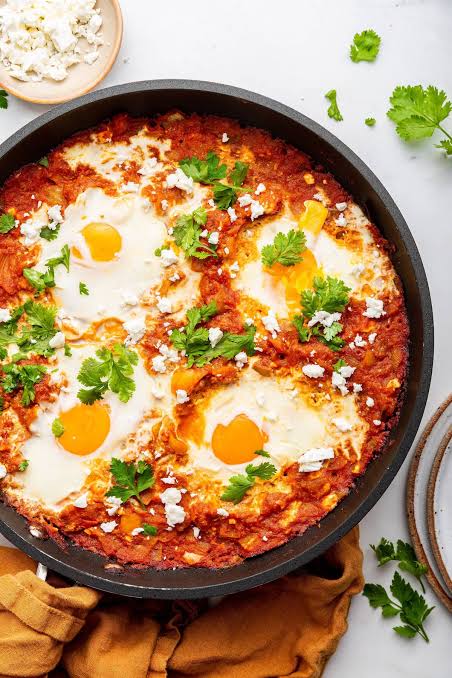
Shakshuka is a North African and Middle Eastern dish that has become enormously popular all over the world, and for very good reason. It is a dish of eggs poached directly in a rich, spiced tomato and pepper sauce, served straight from the pan with crusty bread for dipping. It is warming, deeply flavourful, incredibly nutritious, and comes together in about 30 minutes in a single pan. It works beautifully for breakfast, brunch, lunch, or dinner — it is one of the most versatile dishes you will ever make.
Ingredients
- 6 large eggs
- 2 cans of crushed tomatoes (800 grams total)
- 1 large red bell pepper (diced)
- 1 large onion (diced)
- 4 cloves of garlic (minced)
- 2 tablespoons of olive oil
- 1 teaspoon of cumin
- 1 teaspoon of smoked paprika
- Half a teaspoon of coriander
- Half a teaspoon of cayenne pepper (adjust to your heat preference)
- 1 teaspoon of sugar (balances the acidity of the tomatoes)
- Salt and black pepper to taste
- Fresh parsley or fresh cilantro for garnish
- Crumbled feta cheese for topping (optional but wonderful)
- Crusty bread or pita for serving
Cooking Method
Heat the olive oil in a large, deep skillet over medium heat. Add the diced onion and bell pepper and cook for about 5 to 7 minutes, stirring occasionally, until they are soft and the onion is translucent. Add the minced garlic and cook for 1 more minute until fragrant.
Add the cumin, smoked paprika, coriander, and cayenne pepper to the pan and stir them through the vegetables. Let the spices cook for about 1 minute so they bloom in the oil and release their full flavour. This blooming step is very important — cooking spices in oil activates their flavour compounds and transforms the dish from something flat and ordinary into something bold and deeply complex.
Pour in the crushed tomatoes, add the sugar, and season with salt and black pepper. Stir everything together well and let the sauce simmer over medium-low heat for about 10 to 15 minutes, stirring occasionally, until it has thickened slightly and the flavours have melded together beautifully. Taste the sauce and adjust the seasoning — it should be rich, slightly spicy, fragrant, and very flavourful.
Using the back of a spoon, make 6 small wells or indentations in the sauce, spacing them evenly around the pan. Carefully crack one egg into each well. Season the eggs lightly with salt and pepper. Reduce the heat to low, cover the pan with a lid, and let the eggs cook undisturbed for about 5 to 8 minutes. Check them regularly — the whites should be completely set and opaque while the yolks should still be runny and glossy. If you prefer your yolks more set, give them a couple of extra minutes.
Serve immediately straight from the pan, scattered with fresh herbs and crumbled feta if using, with plenty of crusty bread on the side for scooping up the incredible sauce.
Helpful Tips
Do not overcook the eggs — runny yolks are what make this dish so special. The sauce can be made ahead of time and stored in the fridge — just reheat it and add the eggs fresh when you are ready to eat. A sprinkle of za’atar or harissa paste stirred into the sauce adds even more depth and authentic Middle Eastern flavour.
Mediterranean Baked Salmon

What Is It?
Baked salmon is one of the most central and important dishes in Mediterranean cooking. Fish and seafood are eaten regularly throughout the Mediterranean region and salmon in particular is an incredibly nutritious, omega-3 rich fish that benefits your heart, brain, and overall health enormously. This version is baked with olive oil, garlic, lemon, cherry tomatoes, olives, and fresh herbs — a combination that is quintessentially Mediterranean and absolutely beautiful in both flavour and appearance.
Ingredients
- 4 salmon fillets (about 150 to 200 grams each, skin on or off)
- 3 tablespoons of good quality olive oil
- 4 cloves of garlic (minced)
- Juice and zest of 1 large lemon
- 1 cup of cherry tomatoes (halved)
- Half a cup of Kalamata olives (pitted and halved)
- 1 teaspoon of dried oregano
- 1 teaspoon of dried thyme
- Half a teaspoon of smoked paprika
- Salt and black pepper to taste
- Fresh parsley and fresh dill for garnish
- Extra lemon slices for serving
- Half a cup of crumbled feta cheese (optional)
Cooking Method
Preheat your oven to 200 degrees Celsius. Line a large baking dish or sheet pan with parchment paper.
In a small bowl, combine the olive oil, minced garlic, lemon juice, lemon zest, dried oregano, dried thyme, smoked paprika, salt, and black pepper. Mix well to create a marinade.
Place the salmon fillets in the prepared baking dish, spacing them a few centimetres apart. Pour the marinade over the salmon and use your hands or a brush to coat each fillet evenly on all sides. Scatter the halved cherry tomatoes and olives around and between the salmon fillets. If you are using feta, scatter it over the tomatoes and olives. Place lemon slices on top of each salmon fillet.
Place the dish in the preheated oven and bake for 15 to 18 minutes, depending on the thickness of the fillets. The salmon is done when it flakes easily when you press it gently with a fork and the flesh has changed from translucent to opaque throughout. Be careful not to overbake — overcooked salmon becomes dry and loses its wonderful silky texture.
Remove from the oven, scatter fresh parsley and dill generously over everything, and serve immediately with crusty bread, a simple salad, or over a bed of couscous or rice.
Helpful Tips
Bring the salmon to room temperature for 15 minutes before baking for more even cooking. Do not skip the lemon zest — it adds a concentrated citrus flavour that makes a huge difference. If the salmon has skin, place it skin side down for the entire cooking time.
Classic Hummus

What Is It?
Hummus is one of the most iconic foods of the entire Mediterranean and Middle Eastern world. It is a smooth, creamy dip made from cooked chickpeas, tahini — which is sesame seed paste — lemon juice, garlic, and olive oil. It is eaten in enormous quantities across Lebanon, Israel, Greece, Turkey, and throughout the region, served as a dip with warm bread, as a spread in sandwiches and wraps, as a sauce alongside grilled meats, or simply eaten by the spoonful because it is that good.
Hummus is also incredibly nutritious. Chickpeas are an excellent source of plant-based protein and fibre. Tahini is rich in healthy fats, calcium, and B vitamins. Olive oil provides heart-healthy monounsaturated fats. The whole thing is genuinely good for you in ways that very few foods manage to be while also tasting this delicious.
Ingredients
- 2 cans of chickpeas (about 800 grams total, drained and rinsed — reserve the liquid)
- 4 tablespoons of good quality tahini
- Juice of 2 large lemons (about 5 tablespoons)
- 2 cloves of garlic (minced or grated)
- 4 tablespoons of good quality extra virgin olive oil (plus extra for serving)
- Half a teaspoon of cumin
- Half a teaspoon of salt (adjust to taste)
- 3 to 5 tablespoons of ice cold water or reserved chickpea liquid (for blending)
For serving:
- A generous drizzle of extra virgin olive oil
- A sprinkle of smoked paprika
- A few whole chickpeas
- Fresh parsley leaves
- Warm pita bread or fresh vegetables for dipping
Cooking Method
The secret to truly smooth, creamy, restaurant-quality hummus is in two things — removing the skins from the chickpeas and using plenty of tahini. Removing the skins sounds tedious but it is actually quite quick. Drain and rinse your chickpeas, then rub them between your hands or in a clean kitchen towel. The skins will loosen and come off easily. Pick them out and discard them. This step removes the slightly grainy, thick outer layer and gives you a hummus that is incredibly silky and smooth.
Place the peeled chickpeas in a food processor or a high-powered blender. Add the tahini, lemon juice, minced garlic, olive oil, cumin, and salt. Blend on high for about 1 minute until everything is combined.
With the blender still running, slowly add the ice cold water or reserved chickpea liquid, one tablespoon at a time. Keep blending and adding liquid until the hummus reaches a smooth, light, creamy consistency. Blend for at least 3 to 4 minutes in total — much longer than you might think is necessary. The extended blending time is what gives you that incredibly smooth, almost fluffy texture that makes great hummus so special. Taste and adjust the seasoning, adding more lemon juice, salt, or garlic as needed.
Scoop the hummus into a wide, shallow bowl. Use the back of a spoon to create a swirl pattern across the surface. Drizzle generously with good olive oil, sprinkle with smoked paprika and a few whole chickpeas, and scatter with fresh parsley leaves. Serve with warm pita bread and fresh vegetable sticks.
Helpful Tips
Cold water is the secret to light, fluffy hummus — always use ice cold water or very cold chickpea liquid when blending. The longer you blend, the smoother it gets — be patient. Homemade hummus keeps in the fridge in an airtight container for up to 5 days and always tastes better than store-bought.
Greek Salad (Horiatiki)

Source: THEGREEKFOODIE
What Is It?
A true Greek salad — known in Greece as Horiatiki, which means village salad — is one of the most perfectly balanced and most satisfying salads in the world. Unlike the dressed-up, lettuce-based salads that have become popular in Western countries, a traditional Greek salad contains no lettuce at all. It is simply chunked tomatoes, cucumber, red onion, green bell pepper, Kalamata olives, and a thick slab of feta cheese, dressed generously with extra virgin olive oil, dried oregano, and a little salt. That is it. No complicated dressing, no fancy additions — just the best quality ingredients treated with respect and simplicity.
Ingredients
- 4 large ripe tomatoes (cut into thick wedges or large chunks)
- 1 large cucumber (cut into thick half-moons — leave the skin on)
- 1 small red onion (thinly sliced)
- 1 green bell pepper (sliced into rings or chunks)
- 1 cup of Kalamata olives (pitted)
- 200 grams of good quality feta cheese (in one thick slab, not crumbled)
- 4 tablespoons of good quality extra virgin olive oil
- 1 teaspoon of dried oregano (Greek oregano if you can find it)
- Salt and black pepper to taste
- A small splash of red wine vinegar (optional)
Cooking Method
This is one of the simplest recipes you will ever make and the beauty of it is entirely in the quality of the ingredients. Use the ripest, most flavourful tomatoes you can find. Use a good feta cheese — the best feta is made from sheep’s milk and has a creamy, tangy, slightly crumbly texture. Use the best extra virgin olive oil you have.
Place the tomato wedges, cucumber pieces, sliced red onion, bell pepper rings, and olives in a large wide bowl or on a large flat plate. Arrange them loosely rather than tossing them — Greek salad is traditionally served with the components arranged rather than mixed together, so each ingredient keeps its shape and identity.
Place the whole slab of feta on top of the salad. Drizzle the olive oil generously over everything — over the vegetables, the olives, and especially over the feta. Sprinkle the dried oregano over the top, season with a little salt and black pepper, and add a small splash of red wine vinegar if you like a little extra acidity.
Serve immediately with warm crusty bread that you can use to soak up the incredible olive oil, tomato juice, and feta mixture at the bottom of the bowl.
Helpful Tips
Never refrigerate tomatoes — it destroys their flavour and texture. Use room temperature tomatoes for the best taste. Do not crumble the feta — serve it in a slab and let people break into it at the table. Use the best olive oil you own for this salad because the oil is a key flavour component, not just a dressing.
Lentil Soup (Fakes)
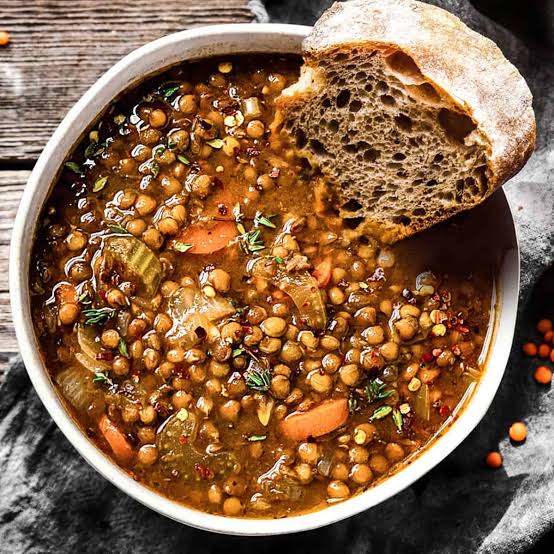
What Is It?
Lentil soup is eaten throughout the entire Mediterranean region and is one of the most nourishing, affordable, and deeply satisfying dishes you can make. In Greece this soup is called Fakes and it is a staple of everyday home cooking — humble, honest, deeply flavoured, and genuinely comforting in a way that only simple, well-made food can be. It is made from brown or green lentils, olive oil, onion, garlic, tomatoes, and fragrant spices, and it is finished with a generous drizzle of extra virgin olive oil and a splash of red wine vinegar that completely transforms the flavour.
Ingredients
- 2 cups of brown or green lentils (rinsed well and picked through for any small stones)
- 1 large onion (finely diced)
- 4 cloves of garlic (minced)
- 2 medium carrots (diced)
- 2 stalks of celery (diced)
- 1 can of diced tomatoes (400 grams)
- 2 tablespoons of tomato paste
- 6 cups of vegetable broth or water
- 3 tablespoons of extra virgin olive oil (plus extra for serving)
- 1 teaspoon of cumin
- 1 teaspoon of smoked paprika
- Half a teaspoon of dried thyme
- 1 bay leaf
- Salt and black pepper to taste
- 2 tablespoons of red wine vinegar (for finishing — this is the secret ingredient)
- Fresh parsley for garnish
Cooking Method
Heat the olive oil in a large pot over medium heat. Add the diced onion, carrots, and celery and cook for about 6 to 8 minutes, stirring occasionally, until they are soft and the onion is golden and translucent. Add the minced garlic and cook for 1 more minute.
Add the tomato paste and stir it through the vegetables. Let it cook for 2 minutes so it caramelises slightly and loses its raw taste. Add the cumin, smoked paprika, and dried thyme, and stir everything together. Let the spices cook in the oil for 1 minute.
Add the diced tomatoes, rinsed lentils, bay leaf, and broth or water. Stir everything together well. Bring to a boil over high heat, then reduce to a steady simmer. Cook uncovered for about 25 to 35 minutes, stirring occasionally, until the lentils are completely tender and soft. The lentils will absorb a lot of the liquid and the soup will thicken naturally.
Remove the bay leaf. At this point you can leave the soup as it is for a chunky, rustic texture, or use an immersion blender to blend part of the soup for a creamier consistency — blend about half of it and leave the rest chunky for the best of both worlds.
Add the red wine vinegar and stir it in. This is the moment the soup transforms — the vinegar adds a bright, tangy note that wakes up all the earthy lentil flavour and makes the whole pot taste dramatically better. Season with salt and black pepper. Taste and adjust.
Serve in deep bowls with a generous drizzle of extra virgin olive oil on top, a sprinkle of fresh parsley, and thick crusty bread on the side.
Helpful Tips
The red wine vinegar added at the end is not optional — it is the secret that makes this soup taste extraordinary rather than just good. Lentils do not need to be soaked before cooking. The soup thickens significantly as it cools — add more broth when reheating leftovers. This soup freezes beautifully for up to 3 months.
Baked Falafel
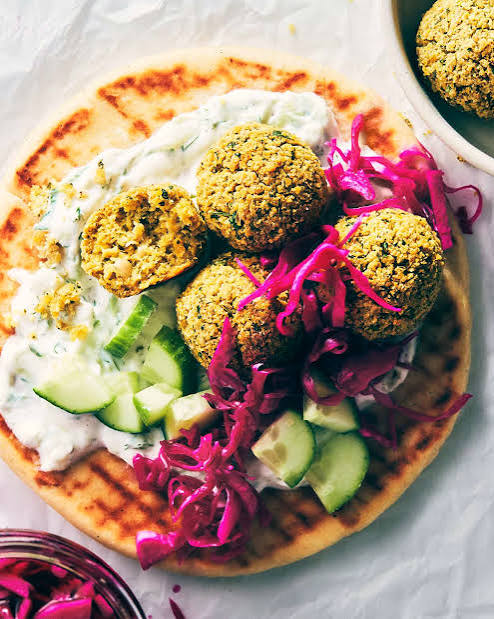
What Is It?
Falafel are small, round patties or balls made from ground chickpeas or fava beans mixed with fresh herbs, garlic, onion, and spices, and traditionally deep-fried until crispy and golden on the outside. In this healthier Mediterranean diet version, we bake them in the oven instead of deep-frying, which significantly reduces the fat content while still giving you a beautifully crispy exterior and a moist, flavourful interior. Falafel are a staple across the Middle East and Mediterranean region — eaten in pita bread with salad and tahini sauce, served as part of a mezze platter, or simply eaten as a snack with hummus.
Ingredients
For the falafel:
- 2 cans of chickpeas (800 grams total, drained, rinsed, and thoroughly dried)
- 1 small onion (roughly chopped)
- 4 cloves of garlic
- 1 cup of fresh parsley leaves (packed)
- Half a cup of fresh cilantro leaves (packed)
- 1 teaspoon of cumin
- 1 teaspoon of coriander
- Half a teaspoon of smoked paprika
- Half a teaspoon of cayenne pepper
- 3 tablespoons of plain flour or chickpea flour
- 1 teaspoon of baking powder
- 1 teaspoon of salt
- Black pepper to taste
- 2 tablespoons of olive oil (for brushing)
For the tahini dipping sauce:
- 3 tablespoons of tahini
- Juice of 1 lemon
- 1 clove of garlic (minced)
- 3 to 4 tablespoons of water (to thin)
- Salt to taste
Cooking Method
The most important step in making good falafel is using the right chickpeas and making sure they are very dry. Place the drained and rinsed chickpeas on a clean kitchen towel and pat them thoroughly dry. Any excess moisture will make your falafel mixture too wet and they will not hold together properly or crisp up in the oven.
Place the dried chickpeas, chopped onion, garlic cloves, parsley, cilantro, cumin, coriander, smoked paprika, cayenne, flour, baking powder, salt, and pepper in a food processor. Pulse the mixture — do not blend it continuously — until it comes together into a coarse, slightly chunky paste. You want some texture remaining, not a completely smooth paste. If you blend it too much the falafel will be dense and heavy rather than light and slightly crumbly.
Transfer the mixture to a bowl, cover it, and refrigerate for at least 30 minutes or up to overnight. Chilling the mixture helps it firm up and makes it much easier to shape. It also lets the flavours develop and deepen.
Preheat your oven to 220 degrees Celsius. Line a large baking sheet with parchment paper and brush it generously with olive oil.
Shape the chilled falafel mixture into small balls or patties about the size of a golf ball — roughly 2 tablespoons of mixture each. If the mixture is sticking to your hands, wet them slightly with water. Place them on the prepared baking sheet with a little space between each one. Brush the tops of the falafel generously with olive oil — this is what helps them crisp up in the oven rather than staying pale and soft.
Bake for 20 minutes, then carefully flip each falafel and bake for another 10 to 15 minutes until they are deep golden brown and crispy all over.
While they bake, make the tahini sauce by whisking together the tahini, lemon juice, garlic, water, and salt until smooth and pourable.
Serve the baked falafel warm with the tahini sauce, warm pita bread, sliced tomatoes, cucumber, and a simple salad.
Helpful Tips
Never use canned chickpeas without drying them thoroughly — wet chickpeas make the mixture too loose. Do not over-process the mixture — texture is important. Chilling the mixture before shaping is essential for falafel that holds together. Brushing generously with olive oil before baking is what gives you that crispy exterior.
Stuffed Bell Peppers With Rice and Herbs
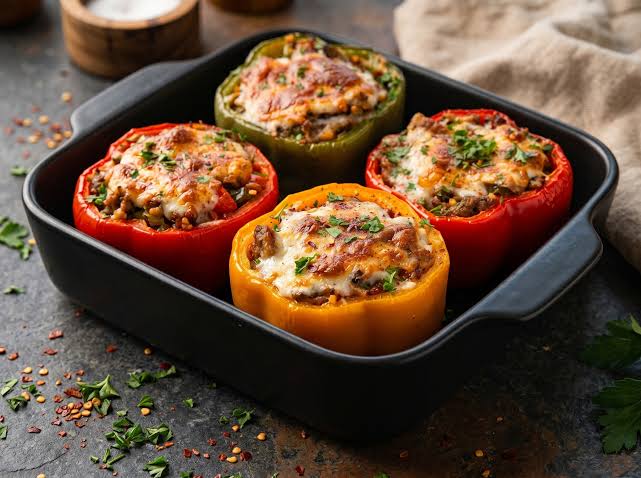
What Is It?
Stuffed vegetables are a beloved tradition across the entire Mediterranean region. In Greece they are called Gemista, and they are one of the most iconic dishes in Greek home cooking. Bell peppers are hollowed out and filled with a fragrant mixture of rice, fresh herbs, garlic, olive oil, and sometimes diced tomatoes and onion, then baked slowly in the oven until the peppers are completely soft and tender and the rice filling is cooked through, fragrant, and absolutely delicious. This dish is comforting, nutritious, beautiful to look at, and wonderful to eat.
Ingredients
- 6 large bell peppers (any colour — a mix of red, yellow, and orange makes the dish look beautiful)
- 1 and a half cups of long grain white rice (uncooked)
- 1 large onion (finely diced)
- 4 cloves of garlic (minced)
- 2 medium tomatoes (finely diced) or half a can of diced tomatoes
- Half a cup of fresh parsley (finely chopped)
- Half a cup of fresh mint (finely chopped — this is what gives the dish its characteristic Mediterranean flavour)
- Half a cup of fresh dill (finely chopped)
- 4 tablespoons of extra virgin olive oil
- 1 teaspoon of dried oregano
- Half a teaspoon of cumin
- Salt and black pepper to taste
- 1 and a half cups of vegetable broth or water (for the baking dish)
- Half a cup of crumbled feta cheese (optional, stirred into the filling)
Cooking Method
Preheat your oven to 180 degrees Celsius.
Prepare the bell peppers by slicing the tops off each one — about 1 to 2 centimetres from the top. Keep the tops as they will go back on as lids during baking. Use a spoon to carefully scoop out all the seeds and white membrane from inside each pepper. Stand them upright in a baking dish that holds them snugly together so they support each other and do not tip over.
Make the filling by heating 2 tablespoons of olive oil in a pan over medium heat. Add the diced onion and cook for about 5 minutes until soft. Add the garlic and cook for 1 more minute. Add the diced tomatoes and cook for another 2 to 3 minutes. Add the raw rice and stir it through the mixture, letting it toast for 1 to 2 minutes. Add the dried oregano and cumin, season generously with salt and black pepper, and remove from the heat. Stir in the fresh parsley, mint, and dill. If using feta, fold it in now. Taste the filling and adjust the seasoning — it should be well-seasoned and fragrant.
Spoon the filling into each prepared pepper, packing it in but leaving about a centimetre of space at the top because the rice will expand as it cooks. Place the pepper tops back on like lids. Drizzle the remaining 2 tablespoons of olive oil over the peppers.
Pour the broth or water into the bottom of the baking dish around the peppers. Cover the entire dish tightly with aluminium foil. Bake for 45 minutes covered, then remove the foil and bake for another 20 to 25 minutes until the peppers are completely soft and slightly charred at the tops and the rice filling is cooked through.
Let the stuffed peppers rest for 10 minutes before serving. Serve warm, drizzled with extra olive oil and scattered with fresh herbs.
Helpful Tips
Pack the filling loosely and leave space at the top — the rice expands significantly as it cooks and needs room. The water in the bottom of the baking dish is essential for cooking the rice — do not skip it. Fresh mint is the flavour that makes this dish taste authentically Greek — do not substitute with dried mint, which is a completely different flavour.
Grilled Chicken Souvlaki With Tzatziki

What Is It?
Souvlaki is one of the most famous and most loved dishes in all of Greek cooking. It is essentially marinated chicken threaded onto skewers and grilled until beautifully charred on the outside and juicy and tender on the inside. The marinade is a simple combination of olive oil, lemon juice, garlic, and dried herbs — particularly oregano — that gives the chicken a deeply aromatic, Mediterranean flavour that is completely irresistible. Served with homemade tzatziki — a creamy Greek yoghurt sauce with cucumber, garlic, and dill — warm pita bread, and a simple salad, this is a complete, beautiful, incredibly satisfying meal.
Ingredients
For the chicken souvlaki:
- 700 grams of boneless, skinless chicken breasts or thighs (cut into 3 to 4 centimetre cubes)
- 4 tablespoons of extra virgin olive oil
- Juice and zest of 1 large lemon
- 4 cloves of garlic (minced)
- 2 teaspoons of dried oregano
- 1 teaspoon of dried thyme
- Half a teaspoon of smoked paprika
- Salt and black pepper to taste
- Wooden or metal skewers
For the tzatziki:
- 1 cup of full-fat Greek yoghurt
- 1 medium cucumber (grated and squeezed completely dry)
- 2 cloves of garlic (finely minced or grated)
- 2 tablespoons of fresh dill (finely chopped)
- 1 tablespoon of extra virgin olive oil
- 1 tablespoon of fresh lemon juice
- Salt to taste
Cooking Method
Start with the marinade. In a large bowl, combine the olive oil, lemon juice, lemon zest, minced garlic, dried oregano, dried thyme, smoked paprika, salt, and black pepper. Whisk together well. Add the chicken cubes and toss to coat thoroughly. Cover and marinate in the fridge for at least 2 hours, or overnight for the best flavour. The longer the chicken marinates, the more the flavours penetrate and the more tender the final result.
Make the tzatziki while the chicken marinates. Grate the cucumber on the large holes of a box grater, then place the grated cucumber in a clean kitchen towel or several layers of paper towel and squeeze out as much liquid as possible. This step is essential — wet cucumber will make your tzatziki watery and loose. Once squeezed dry, combine the cucumber with the Greek yoghurt, minced garlic, fresh dill, olive oil, and lemon juice. Season generously with salt. Stir everything together, taste, and adjust the seasoning. Cover and refrigerate until serving — tzatziki actually tastes even better after it has had an hour in the fridge for the flavours to come together.
If using wooden skewers, soak them in water for at least 30 minutes before grilling to prevent them from burning. Thread the marinated chicken onto the skewers, leaving a small gap between each piece so they cook evenly.
Grill the skewers on a preheated grill or grill pan over medium-high heat for about 10 to 12 minutes total, turning every 2 to 3 minutes until the chicken is cooked through and nicely charred on all sides. The internal temperature should reach 74 degrees Celsius. The chicken should be golden and slightly charred on the outside and juicy and tender on the inside.
Serve the souvlaki with generous spoonfuls of tzatziki, warm pita bread, sliced tomatoes, red onion, and a simple Greek salad.
Helpful Tips
Marinating overnight makes a very significant difference to the flavour and tenderness of the chicken. Squeezing the cucumber completely dry is essential for thick, creamy tzatziki. Chicken thighs stay juicier on the grill than breasts — use them if you want the most tender, juicy result.
Mediterranean Chickpea Stew
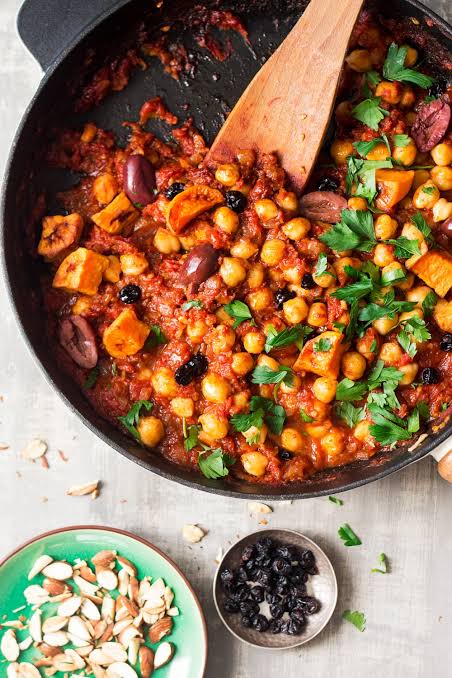
What Is It?
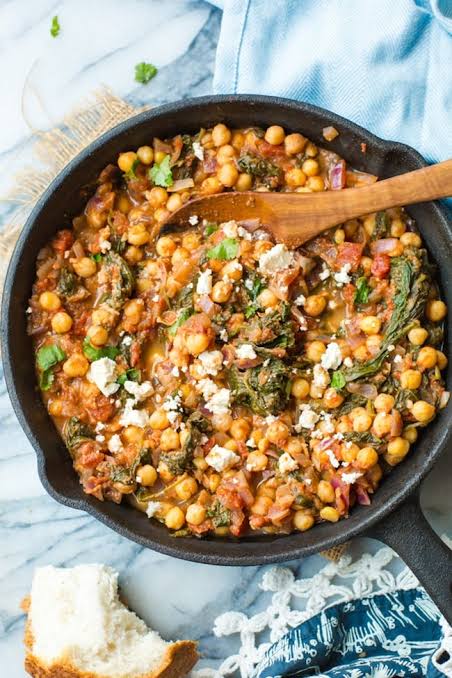
This is one of the most nourishing, satisfying, and deeply comforting dishes on this entire list. A Mediterranean chickpea stew is a hearty, plant-based stew made from chickpeas simmered in a rich tomato and vegetable broth seasoned generously with warm spices, garlic, and olive oil. It is eaten in various forms across the entire Mediterranean region and is one of the most beloved examples of how incredibly satisfying plant-based cooking can be. It is rich in protein, fibre, vitamins, and minerals, and it is deeply satisfying in a way that makes you feel completely nourished and content after eating it.
Ingredients
- 2 cans of chickpeas (800 grams total, drained and rinsed)
- 1 large onion (diced)
- 4 cloves of garlic (minced)
- 2 medium carrots (diced)
- 1 can of crushed tomatoes (400 grams)
- 2 tablespoons of tomato paste
- 2 cups of vegetable broth
- 3 large handfuls of fresh spinach or kale
- 3 tablespoons of extra virgin olive oil
- 1 teaspoon of cumin
- 1 teaspoon of smoked paprika
- Half a teaspoon of coriander
- Half a teaspoon of turmeric
- A pinch of cinnamon
- Salt and black pepper to taste
- Juice of half a lemon
- Fresh parsley for garnish
- Extra olive oil for drizzling
Cooking Method
Heat the olive oil in a large, deep pot over medium heat. Add the diced onion and carrots and cook for about 6 to 8 minutes until they are soft and the onion is golden. Add the minced garlic and cook for 1 more minute.
Add the tomato paste and stir it through. Cook for 2 minutes until it caramelises. Add the cumin, smoked paprika, coriander, turmeric, and cinnamon. Stir the spices through and let them cook for 1 minute in the oil.
Add the crushed tomatoes, chickpeas, and vegetable broth. Stir everything together, bring to a boil, then reduce to a steady simmer. Cook uncovered for about 20 to 25 minutes, stirring occasionally, until the stew has thickened and the flavours are beautifully melded.
Add the spinach or kale and stir it through. Cook for another 3 to 5 minutes until the greens are completely wilted and tender. Add the lemon juice, taste, and adjust the seasoning generously.
Serve in deep bowls with a generous drizzle of extra virgin olive oil on top, scattered with fresh parsley, and with warm crusty bread or pita alongside.
Helpful Tips
The pinch of cinnamon might seem unusual but it is a traditional spice used in many Mediterranean and Middle Eastern dishes and it adds a wonderful warmth and depth that you cannot quite put your finger on but would definitely notice if it were missing. This stew freezes beautifully for up to 3 months. It also tastes significantly better the next day as all the flavours continue to develop overnight.
Frequently Asked Questions
Is the Mediterranean diet good for weight loss?
Yes, the Mediterranean diet is widely recognised as one of the most effective and sustainable approaches to weight management. Unlike restrictive diets that cut out entire food groups, the Mediterranean diet focuses on whole, nutrient-dense foods that are naturally satisfying and filling. The high fibre content from legumes, vegetables, and whole grains keeps you full for longer and reduces the urge to snack on processed foods. The healthy fats from olive oil, nuts, and fish support satiety and hormone balance. Many studies have found that people following a Mediterranean diet lose weight steadily over time without feeling deprived or hungry.
Can I follow the Mediterranean diet if I am vegetarian or vegan?
Absolutely, and in fact the Mediterranean diet is naturally very well-suited to vegetarian and vegan eating. The foundation of the diet is plant-based — vegetables, fruits, legumes, whole grains, nuts, seeds, and olive oil make up the vast majority of what is eaten. Fish and dairy are included in the traditional version but are not essential. Many of the recipes in this article are already completely plant-based, including the shakshuka without feta, the hummus, the lentil soup, the baked falafel, the stuffed peppers, and the chickpea stew. Simply leave out or substitute any animal products and the diet remains completely aligned with Mediterranean principles.
What are the most important ingredients to always have on hand for Mediterranean cooking?
There are certain ingredients that appear again and again in Mediterranean cooking and having them stocked in your kitchen at all times means you are always just a few steps away from a beautiful Mediterranean meal. Extra virgin olive oil is the single most important one — buy the best quality you can afford. Garlic, lemon, canned chickpeas, canned tomatoes, dried lentils, dried herbs like oregano and thyme, cumin, smoked paprika, good quality feta cheese, tahini, and a selection of olives will cover the base of most Mediterranean recipes. With these items in your pantry and fridge, you can make the majority of the recipes in this article with very little additional shopping.
How often should I eat fish on the Mediterranean diet?
Traditional Mediterranean dietary guidelines recommend eating fish and seafood at least two to three times per week. Fatty fish like salmon, sardines, mackerel, and anchovies are particularly encouraged because they are rich in omega-3 fatty acids, which are strongly linked to heart health, brain function, and reduced inflammation. However, if you do not eat fish, the Mediterranean diet still provides exceptional nutrition through its emphasis on plant-based protein sources like legumes, nuts, and seeds. The fish component is important but not the only source of the diet’s remarkable health benefits.
Can children eat Mediterranean diet meals?
Yes, absolutely. The Mediterranean diet is one of the most nutritionally balanced and child-friendly ways of eating available. Children thrive on the variety of vegetables, legumes, whole grains, and good quality proteins that the diet provides. The flavours are generally accessible and appealing — dishes like baked salmon, stuffed peppers, lentil soup, hummus with pita and vegetables, and shakshuka are all dishes that children typically enjoy. The diet is also naturally lower in processed sugars and unhealthy fats compared to a typical Western diet, which supports healthy growth, development, and energy levels in children.
Final Thoughts
The Mediterranean diet is not a trend and it is not a fad. It is a way of eating that has been keeping people healthy, vibrant, and deeply satisfied for thousands of years across some of the most food-loving cultures in the world. And what these 10 recipes show more clearly than anything else is that eating this way does not require sacrifice, restriction, or bland, joyless food. It requires exactly the opposite — an abundance of fresh, beautiful, deeply flavourful ingredients treated with care and cooked with love.
From the silky, bright Avgolemono soup to the bold, spiced Shakshuka, from the crispy baked falafel to the deeply comforting chickpea stew, from the perfectly grilled souvlaki to the simple but extraordinary Greek salad — every single recipe on this list is a celebration of food that is good for your body and genuinely wonderful to eat. That combination is rare and precious and it is exactly what the Mediterranean diet offers every single day.
Start with one or two of these recipes this week. Try the hummus and the Greek salad first if you want something simple and immediate. Try the lentil soup or the chickpea stew if you want something warming and filling. Try the salmon or the souvlaki if you want something that feels a little more special. However you start, just start — because once you begin eating this way and feeling how good it makes you feel, you will not want to stop. Happy cooking and happy eating!