 Kiekie Folashade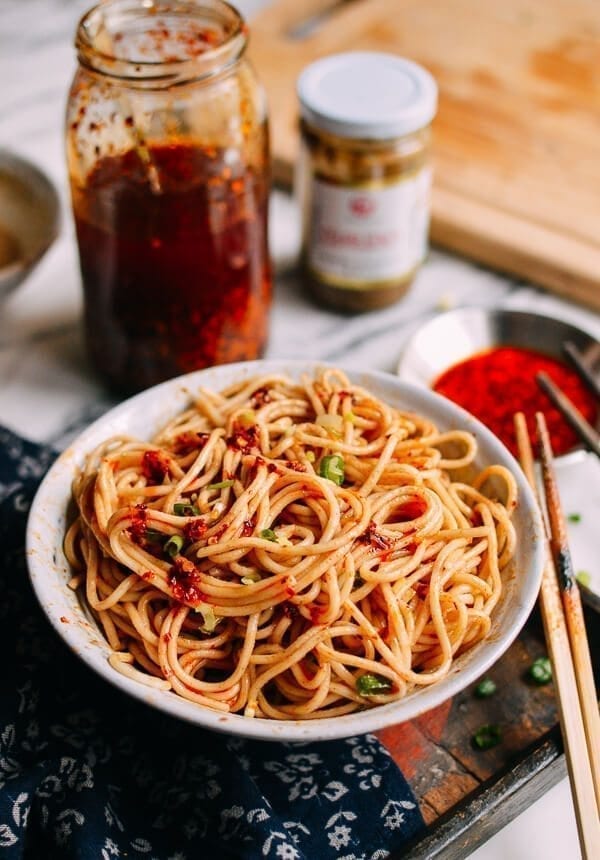
This dish is creamy, nutty, slightly tangy, a little sweet, and packed with so much flavour that it’s honestly hard to believe how simple it is to put together. Whether you serve it warm straight off the stove or cold as a noodle salad, it works beautifully either way. You don’t need any fancy equipment, you don’t need to be a professional cook, and you don’t need hours in the kitchen. What you do need is a good appetite and a willingness to try something absolutely delicious.
By the end of this article, you’ll know exactly how to make Asian Sesame Noodles from scratch — the right noodles to use, how to make that incredible sesame sauce, what toppings to add, how to store leftovers, and all the tips that make this dish go from ordinary to unforgettable.
What Are Asian Sesame Noodles?

Asian Sesame Noodles is a popular noodle dish that is built around a rich, flavour-packed sesame-based sauce. The sauce is the star of the whole thing. It’s made from tahini or sesame paste, soy sauce, rice vinegar, garlic, ginger, a little sweetness, and sometimes a touch of chilli heat — all blended together into this smooth, glossy, deeply savoury dressing that coats every single strand of noodle.
The dish has roots in Chinese cuisine, particularly in the style of cold sesame noodles that are very popular in Chinese-American kitchens and street food culture. Over time, different versions have emerged across East and Southeast Asia, each with slight variations in the sauce and toppings. But the core idea remains the same — noodles dressed in a bold, sesame-forward sauce with fresh garnishes that add colour, crunch, and brightness.
What makes this dish stand out is how it manages to feel both light and satisfying at the same time. The noodles are soft and filling, but the sauce has this refreshing tanginess from the vinegar and lime that keeps the dish from feeling too heavy. It’s the kind of meal you can eat in the summer heat without feeling weighed down, and also the kind you can enjoy on a cold evening when you need something comforting and warm.
Ingredients You Will Need
Here’s everything you need to make Asian Sesame Noodles for 3 to 4 people. The ingredient list looks a little long, but most of these are pantry staples you’ll already have or can easily find at any grocery store.
For the noodles:
- 300g to 400g of noodles — lo mein noodles, soba noodles, spaghetti, or linguine all work well
- 1 tablespoon of sesame oil (to toss with the noodles after cooking so they don’t stick)
For the sesame sauce:
- 3 tablespoons of tahini or Chinese sesame paste
- 3 tablespoons of soy sauce
- 2 tablespoons of rice vinegar
- 1 tablespoon of toasted sesame oil
- 1 tablespoon of honey or sugar
- 1 tablespoon of fresh lime juice or lemon juice
- 2 cloves of garlic, finely grated or minced
- 1 teaspoon of fresh ginger, grated
- 1 to 2 teaspoons of chilli oil or sriracha (optional, for heat)
- 2 to 4 tablespoons of warm water to thin the sauce to the right consistency
For toppings and garnish:
- 2 to 3 stalks of green onions, thinly sliced
- 1 medium cucumber, julienned or thinly sliced
- 1 medium carrot, julienned or grated
- 2 tablespoons of toasted sesame seeds
- Fresh coriander leaves (optional)
- Crushed roasted peanuts (optional but absolutely wonderful)
- Sliced red chilli for extra heat (optional)
One thing to note here — tahini and Chinese sesame paste are similar but not exactly the same thing. Tahini is made from raw or lightly toasted sesame seeds and has a lighter, slightly bitter flavour. Chinese sesame paste is made from deeply roasted sesame seeds and has a much more intense, nuttier, and richer flavour. Both work in this recipe, but if you can find Chinese sesame paste at an Asian grocery store, it will give you a deeper, more authentic flavour. If all you have is tahini, it still makes a wonderful sauce.
The Secret to the Best Asian Sesame Noodles
Before you even think about boiling water or chopping vegetables, there’s one thing you need to understand — the sauce is everything. The noodles themselves are just a canvas. What makes people go crazy over this dish is that sesame sauce. And the secret to a great sesame sauce is balance.
You’re going for a sauce that is:
- Savoury from the soy sauce
- Nutty and rich from the sesame paste
- Tangy from the rice vinegar and lime
- Slightly sweet from the honey
- Aromatic from the garlic and ginger
- A little spicy from the chilli (if you choose to include it)
All five of these flavour elements need to be present for the sauce to taste complete and layered. If one is too strong and overpowers the rest, the whole thing falls flat. So when you make your sauce, taste it before it goes on the noodles and adjust as needed. Add more soy sauce if you need more salt. Add more vinegar if you want more tang. Add more honey if it’s too sharp. Add more sesame paste if you want it richer and nuttier. Trust your taste buds — they won’t steer you wrong.
The other secret is don’t overcook your noodles. Overcooked noodles become soft, slimy, and they can’t hold the sauce properly. You want your noodles to be cooked to al dente — meaning they still have the slightest bit of chew in the centre. They should feel firm when you bite them, not mushy. Al dente noodles hold their shape better and absorb the sauce without falling apart.
How to Make Asian Sesame Noodles

Source from Web
Step 1 — Make the Sesame Sauce First
Start by making your sauce before anything else. This is important because once the sauce is made, the rest of the cooking goes very fast. Put your tahini or sesame paste, soy sauce, rice vinegar, sesame oil, honey, lime juice, garlic, and ginger all into a bowl. Whisk everything together until it’s smooth and combined. At this point, the sauce might look very thick and a little clumpy — that’s completely normal.
Add warm water one tablespoon at a time and whisk it in until the sauce loosens up to a smooth, pourable consistency that’s similar to a thick salad dressing. You don’t want it watery and thin, but you also don’t want it so thick that it sits in clumps on top of the noodles instead of coating them evenly. About 2 to 4 tablespoons of warm water usually does the trick, but this depends on how thick your sesame paste is.
Taste the sauce at this point. Adjust the flavours as needed — more soy sauce for saltiness, more vinegar for tang, more honey for sweetness, more lime for brightness, or more chilli oil if you want heat. Set the sauce aside.
Step 2 — Cook the Noodles
Bring a large pot of water to a full, rolling boil. Salt the water generously — the water should taste slightly salty, like a mild broth. This is the only chance you have to season the noodles themselves from the inside, so don’t skip the salt.
Add your noodles to the boiling water and cook them according to the package instructions, but start tasting them 1 to 2 minutes before the suggested cooking time is up. You want them just barely al dente — cooked through but with a slight firmness when you bite. Once they’re done, drain them immediately in a colander.
Rinse the noodles under cold running water. This does two things — it stops the cooking process immediately so they don’t overcook in their own heat, and it washes off the excess starch on the surface of the noodles which is what makes them sticky and clumpy. Rinse them well, then drain completely.
Drizzle about 1 tablespoon of sesame oil over the drained noodles and toss them well so every strand is lightly coated. This prevents them from sticking together while you finish preparing everything else.
Step 3 — Prepare Your Vegetables
While the noodles are cooling, prepare your toppings. Cut your cucumber into thin matchsticks or slice them into thin rounds. Grate or julienne your carrot. Slice your green onions thinly on a diagonal for a pretty presentation. If you’re using coriander leaves, rinse them and pat them dry.
If you want to add any protein to this dish — shredded chicken, pan-seared tofu, boiled shrimp, or a soft-boiled egg — prepare that now as well. This dish is wonderful as a purely vegetarian meal, but adding protein makes it more filling and hearty.
Step 4 — Combine Everything
Now comes the most satisfying part. Put your rinsed, sesame-oiled noodles into a large bowl. Pour your sesame sauce over the noodles. Use tongs or two forks to toss the noodles well so the sauce coats every single strand evenly. Take your time with this step — the more evenly the sauce coats the noodles, the better every bite will taste.
Add half of your prepared vegetables into the noodle bowl and toss them in too, so they get mixed through the noodles.
Step 5 — Plate and Garnish
Transfer the sesame noodles to serving bowls or plates. Arrange the remaining fresh vegetables on top — the cucumber, carrot, and green onions. Sprinkle generously with toasted sesame seeds. Add your crushed roasted peanuts if using — these add the most wonderful crunch that contrasts beautifully with the soft noodles. Top with fresh coriander and sliced chilli if you like.
Serve immediately if you want it at room temperature, or refrigerate for 30 minutes to an hour if you prefer it cold. Both are absolutely delicious.
Serving Asian Sesame Noodles Hot vs Cold
One of the really great things about this dish is that it genuinely tastes amazing served either warm or cold, which is pretty rare for a noodle dish. Most noodle dishes are best eaten hot, but Asian Sesame Noodles is one of the exceptions.
Served warm, the sesame sauce is looser and more fragrant. The noodles feel comforting and hearty. This is perfect for cooler days when you want something warming and satisfying. To serve warm, toss the freshly cooked, still-warm noodles directly with the sauce instead of rinsing them with cold water. Just make sure you still rinse off the excess starch before tossing.
Served cold, the noodles become firmer and the sauce thickens slightly as it chills. The flavours also develop and deepen after the noodles have sat in the sauce for a while. Cold sesame noodles are incredibly refreshing on a hot day and make the perfect meal prep lunch because they actually taste better after sitting in the fridge for a few hours. This is the version that’s closest to traditional Chinese cold sesame noodles.
If you’re making this for meal prep, the cold version is the way to go. Make a big batch on Sunday, keep it in the fridge, and you have a delicious, ready-to-eat lunch or dinner for the next few days.
What Noodles Work Best for This Recipe

Source: Jo Cooks
The type of noodle you use makes a noticeable difference in texture and overall experience. Here’s a breakdown so you can choose based on what’s available to you.
Lo mein noodles are the most traditional choice for this style of dish. They’re thick, round, slightly chewy, and they hold the sauce beautifully. You can find them fresh or dried at Asian grocery stores.
Soba noodles are made from buckwheat flour and have a slightly earthy, nutty flavour that pairs wonderfully with sesame sauce. They’re also naturally gluten-free if you choose 100% buckwheat soba. These are a fantastic option if you want something a little more nutritious.
Udon noodles are very thick, soft, and chewy Japanese noodles. They give the dish a much more substantial, filling feel. The thick strands hold a lot of sauce, so every bite is very flavourful.
Spaghetti or linguine might surprise you, but they actually work incredibly well in this recipe. The shape and thickness of spaghetti is very similar to lo mein noodles, and they’re easy to find everywhere. If you can’t get Asian noodles, spaghetti is your best friend here. Cook them just slightly under the package’s recommended time to keep them al dente.
Rice noodles are a great gluten-free option that gives the dish a lighter, more delicate feel. They’re very common in Southeast Asian cooking and pair nicely with the sesame sauce, though they’re a little more fragile so handle them gently when tossing.
Protein Options to Add to Asian Sesame Noodles
While Asian Sesame Noodles is a complete and satisfying dish on its own, adding protein makes it even more filling and nutritious. Here are some easy options that pair beautifully with the sesame sauce.
Shredded chicken is probably the most popular addition. Cook chicken breast in boiling water or in a pan until fully cooked, then shred it with two forks into thin strips. Toss it right into the noodles with the sauce. The chicken soaks up the sesame sauce wonderfully and adds a hearty, lean protein boost.
Pan-seared tofu is the perfect vegetarian protein option. Use firm or extra-firm tofu, press out as much water as possible, cut it into cubes, and pan-fry it in a hot pan with a little oil until golden and crispy on the outside. These little golden cubes of tofu are absolutely delicious tucked into the sesame noodles.
Boiled or pan-seared shrimp adds a sweet, juicy element that complements the nutty sauce beautifully. Cook your shrimp exactly as described in our Thai Shrimp Fried Rice recipe — quickly, on high heat, until just pink. Don’t overcook them.
Soft-boiled or hard-boiled eggs are a simple and affordable protein option. A soft-boiled egg sliced in half and placed on top of the noodle bowl looks gorgeous and tastes wonderful when the yolk runs down into the sesame sauce.
Edamame — which are simply young soybeans — can be tossed straight into the noodles from frozen (just thaw them first). They add a pop of green colour, a mild nutty flavour, and a good amount of plant-based protein without any cooking required.
Tips to Make the Best Asian Sesame Noodles Every Time
These practical tips will help you get consistently great results every single time you make this dish, whether it’s your first time or your fiftieth.
Toast your sesame seeds. Don’t use raw sesame seeds straight from the packet without toasting them first. To toast sesame seeds, put them in a dry pan over medium heat and stir them constantly for 2 to 3 minutes until they turn golden and start to smell nutty and fragrant. Watch them carefully because they burn very quickly. Toasted sesame seeds have a much deeper, richer flavour than raw ones and they make a huge difference in the finished dish.
Grate your garlic and ginger finely. Chunky bits of garlic or ginger in a raw sauce can be a bit sharp and overwhelming. Using a fine grater or microplane to grate both the garlic and ginger ensures they distribute evenly through the sauce and blend into it smoothly rather than creating big pockets of intense flavour.
Use warm water to thin the sauce. Cold water can cause the tahini to seize up and get lumpy. Warm water helps it loosen up smoothly and blend well with all the other ingredients. Room temperature water works too, but warm water is best.
Let the dressed noodles rest for at least 10 minutes. If you can wait before eating, letting the sauced noodles rest for 10 minutes gives the sauce time to really soak into the noodles and the flavours time to meld together. The noodles go from tasting like noodles-with-sauce to actually tasting deeply sesame-flavoured all the way through.
Add peanuts right before serving. If you’re adding crushed roasted peanuts, add them at the very last moment before eating rather than mixing them in during preparation. This keeps them crunchy. If you mix them in too early, they absorb moisture from the sauce and become soft, which takes away from their wonderful texture contrast.
Double the sauce if you like it saucy. The sauce amounts in this recipe give a nicely coated result. If you’re someone who loves noodles that are really generously dressed and saucy, go ahead and make one and a half or double the sauce quantity. Extra sauce can also be stored in the fridge for up to a week and used as a dipping sauce, salad dressing, or marinade.
How to Store Leftover Asian Sesame Noodles
Asian Sesame Noodles stores very well in the refrigerator, which makes it one of the best meal prep options out there. Here’s how to do it right.
Store the dressed noodles in an airtight container in the fridge for up to 3 to 4 days. The flavour actually improves after the first day as the sauce continues to soak into the noodles and the garlic and ginger flavours deepen and mellow.
When you take them out of the fridge, the sauce will have thickened significantly because the cold causes the sesame paste to firm up. Don’t panic — this is completely normal. Simply add a splash of warm water, a tiny drizzle of soy sauce, and toss the noodles well. They’ll loosen up and taste almost as good as when you first made them.
If you want to store this for meal prep without the noodles becoming too saturated with sauce, you can store the sauce and noodles separately. Keep the noodles tossed with just a little sesame oil in one container, and the sauce in a separate jar in the fridge. When you’re ready to eat, pour the sauce over the noodles and toss. This method keeps the noodles from absorbing too much sauce and becoming overly soft.
Can you freeze Asian Sesame Noodles? Technically yes, but it’s not recommended. Noodles don’t freeze and thaw particularly well — they tend to get mushy and lose their nice texture after freezing. Since this dish keeps well in the fridge for several days, there’s really no need to freeze it. Just make fresh when you need more.
Frequently Asked Questions
Can I make Asian Sesame Noodles gluten-free?
Yes, absolutely. To make this dish completely gluten-free, use 100% buckwheat soba noodles or rice noodles in place of regular wheat noodles. For the sauce, replace regular soy sauce with tamari sauce or coconut aminos, both of which are naturally gluten-free. Make sure your tahini or sesame paste is also certified gluten-free, as some brands process their products in facilities that also handle wheat. With these swaps, the dish is just as delicious and completely safe for anyone with gluten sensitivity or celiac disease.
What is the difference between sesame oil and toasted sesame oil?
This is a really important question because they are not the same and you can’t use them interchangeably in this recipe. Regular sesame oil is made from raw sesame seeds and has a very light, mild flavour. It’s mostly used for cooking at high heat. Toasted sesame oil is made from roasted sesame seeds and has a deep, rich, intensely nutty aroma and flavour. It’s used as a finishing oil and flavouring agent, not for high-heat cooking. In this recipe, you need toasted sesame oil — it’s what gives the sauce that distinctive, fragrant nuttiness that makes Asian Sesame Noodles taste so special.
Can I make the sesame sauce ahead of time?
Yes, and this is actually a great idea. The sesame sauce can be made up to 5 to 7 days ahead of time and stored in a sealed jar or airtight container in the refrigerator. It actually develops more flavour as it sits. When you’re ready to use it, take it out of the fridge and let it sit at room temperature for about 10 minutes, then stir or whisk it well. You may need to add a little warm water to loosen it back up before using.
My sesame sauce turned out too thick and clumpy. What went wrong?
This usually happens when cold water is used instead of warm water to thin the sauce, or when the tahini is a particularly thick brand. The fix is simple — add warm water one tablespoon at a time and whisk vigorously between each addition until the sauce reaches a smooth, pourable consistency. You can also add a tiny splash of rice vinegar or soy sauce if the sauce needs more flavour along with the water. Don’t add too much water all at once or the sauce will become too thin and watery.
Is there a nut-free version of this recipe?
Yes. If you have a nut allergy or are cooking for someone who does, you can still make a wonderful sesame noodle dish. Simply use sunflower seed butter in place of tahini — it has a similar creamy texture and a mild nutty flavour that works well in the sauce. Skip the crushed peanuts as a topping and replace them with toasted sunflower seeds or pumpkin seeds for that crunchy garnish element. The rest of the recipe stays exactly the same and the dish still tastes absolutely fantastic.
Conclusion
Asian Sesame Noodles is one of those recipes that earns a permanent spot in your regular rotation after the very first time you make it. It’s fast, it’s flexible, it works hot or cold, it stores beautifully, and it tastes like something you’d order from a really good Asian restaurant — except you made it yourself in your own kitchen in under 30 minutes.
The sesame sauce is truly the heart of this dish. Once you understand how it’s built — the balance of nutty, tangy, savoury, sweet, and spicy — you’ll find yourself making it for all kinds of things. It works as a salad dressing, a dipping sauce for spring rolls, a marinade for chicken, or a drizzle over roasted vegetables. It’s that good and that versatile.
Don’t be afraid to make this recipe your own. Swap the noodles, add different vegetables, change up the protein, dial up the heat, or tone down the garlic. There’s no single right way to make Asian Sesame Noodles — the best version is the one that tastes perfect to you. So go ahead, get in that kitchen, whisk up that sauce, and treat yourself to a big, beautiful bowl of noodles that you’ll be thinking about for days after the last bite.